
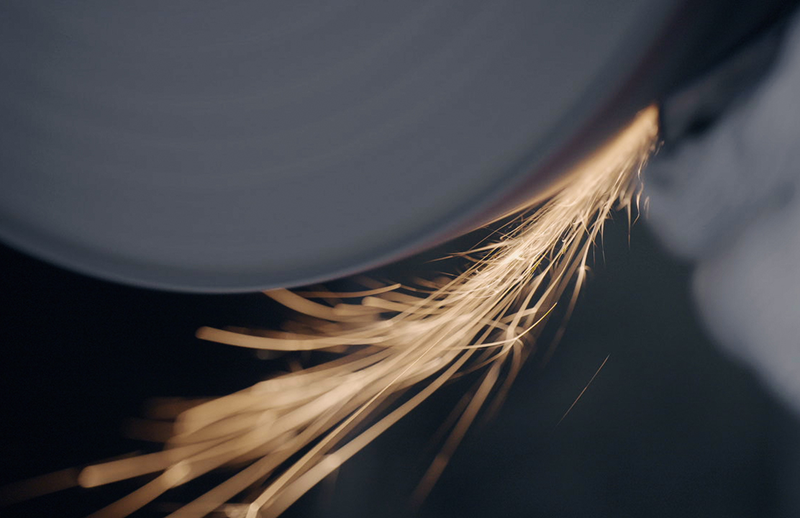
Polishing your knife blade is a crucial step in maintaining its sharpness and aesthetic appeal. After polishing, the blade reduces friction during cutting, making slicing smoother and more precise. It also protects the steel from moisture and oxidation, which protects the steel from moisture and oxidation, which can cause rust and dullness over time. A well-polished blade will significantly enhance its performance and durability.
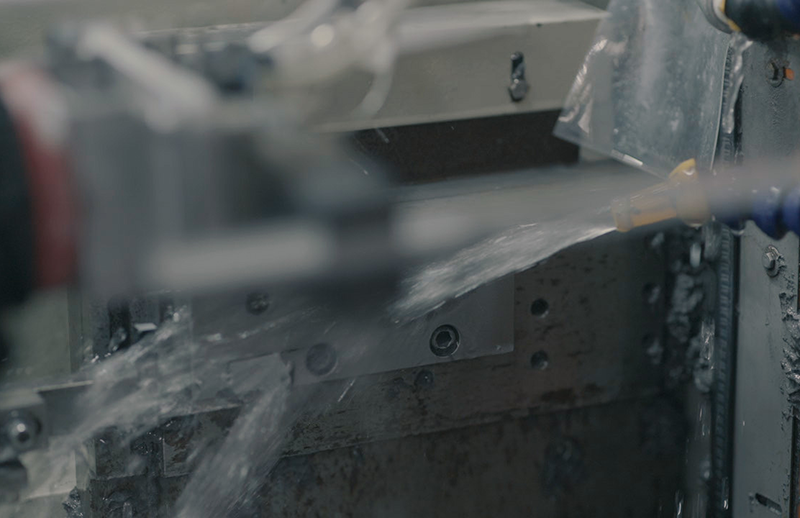
Wet grinding is a method that uses liquid as a lubricant and cooling medium. Compared to dry grinding, the primary advantage of wet grinding is its ability to produce finer and more uniform particle sizes. This is due to the lubricating effect of the liquid medium, which helps reduce friction and heat generation during the grinding process. Liquids help absorb vibrations and lower noise levels, creating a quieter and more comfortable working environment. Additionally, wet grinding can enhance the dispersion and uniformity of components, thereby improving product quality and performance.
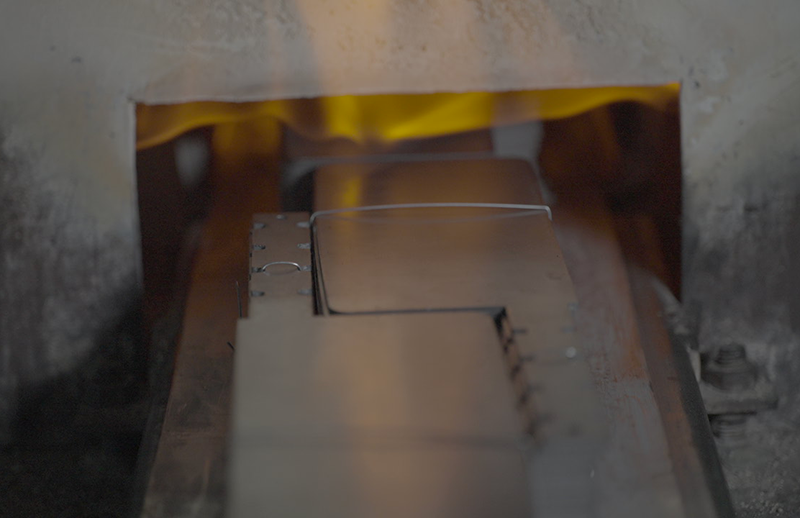
Heat treating knives is an integral part of the knifemaking process. Knifemakers expose blades to specific temperatures for specific time intervals in order to imbue their blades with specific qualities. Heat treating changes the molecular structure of the metal or alloy, allowing knifemakers to adjust the Hardness, Ductility, Material Strength, Toughness, Malleability, Temperature Resistance, Magnetism for their blade.
We use a state-of-the-art 1040°C high-temperature heat treatment process, which maximizes the knives' quality—far exceeding the inferior heat treatment methods used by most competing small brands.
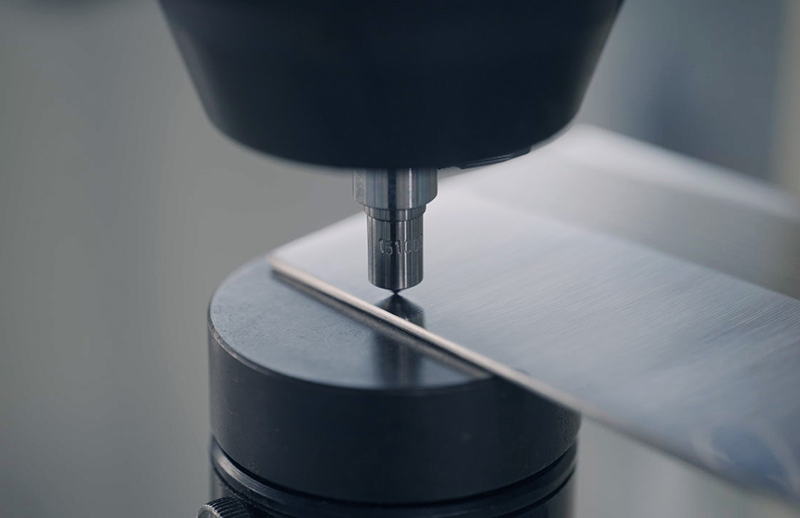
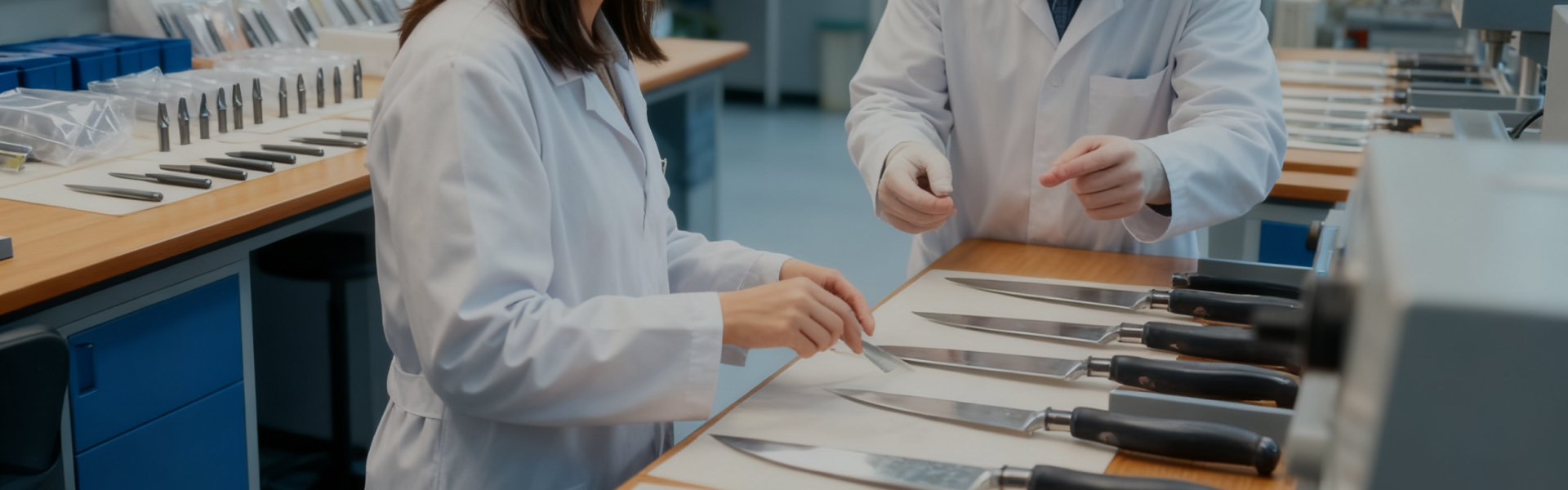
Testing blade hardness is important because it helps determine the knifes performance and longevity. A knife with appropriate hardness will maintain its edge longer, require less frequent sharpening, and provide a more reliable cutting experience.
The Rockwell hardness test is the most widely used method for testing knife blade hardness. The HRC value indicates the hardness level of the blade. Every knife we produce ensures that the blade meets the specified Rockwell hardness standard.
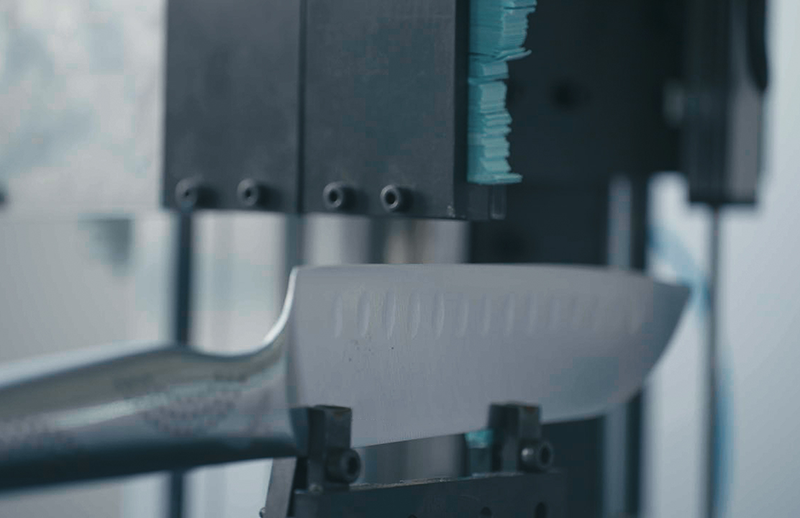
CATRA (Cutlery and Allied Trades Research Association) testing is one of the most respected methods for measuring knife sharpness and edge holding performance.
The machine we use for sharpness testing is imported from UK , CATRA, and all the testing papers are imported too. We regularly purchase test paper twice a year, which guarantee every KUISINE knife that passes laboratory testing achieves both optimal cutting capacity and superior durability, ensuring efficiency and savings in professional use.
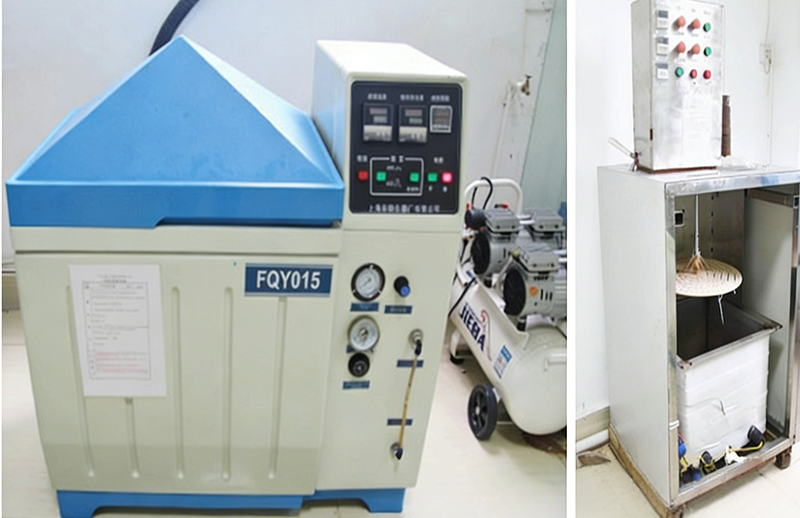
The equipment is set for the corrosion test to check the anti-corrosion performance of knife according to the testing requirement of ISO 8442.
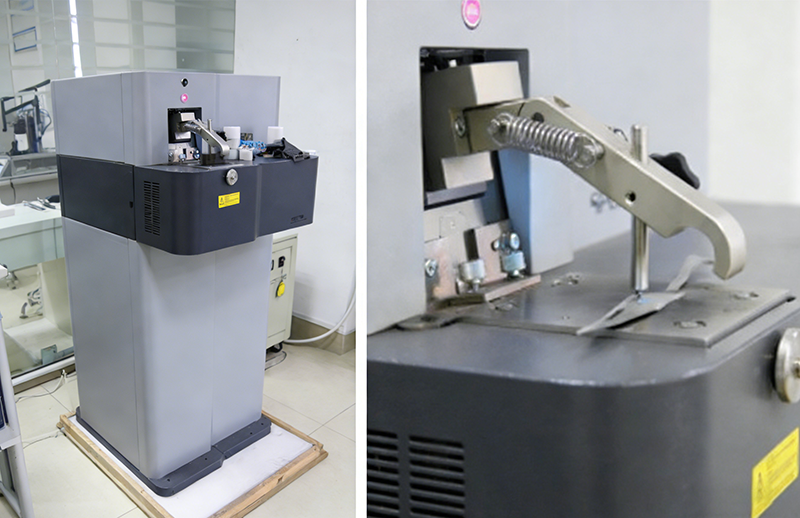
All the incoming steel have to do the analysis by the spectrum analysis to make sure the quality is good for production.
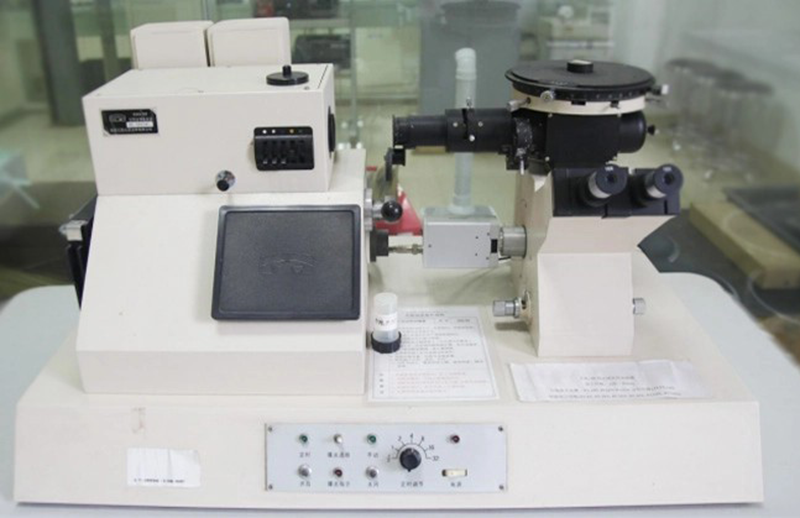
We can do the metallographic analysis to check the inner structure of material.
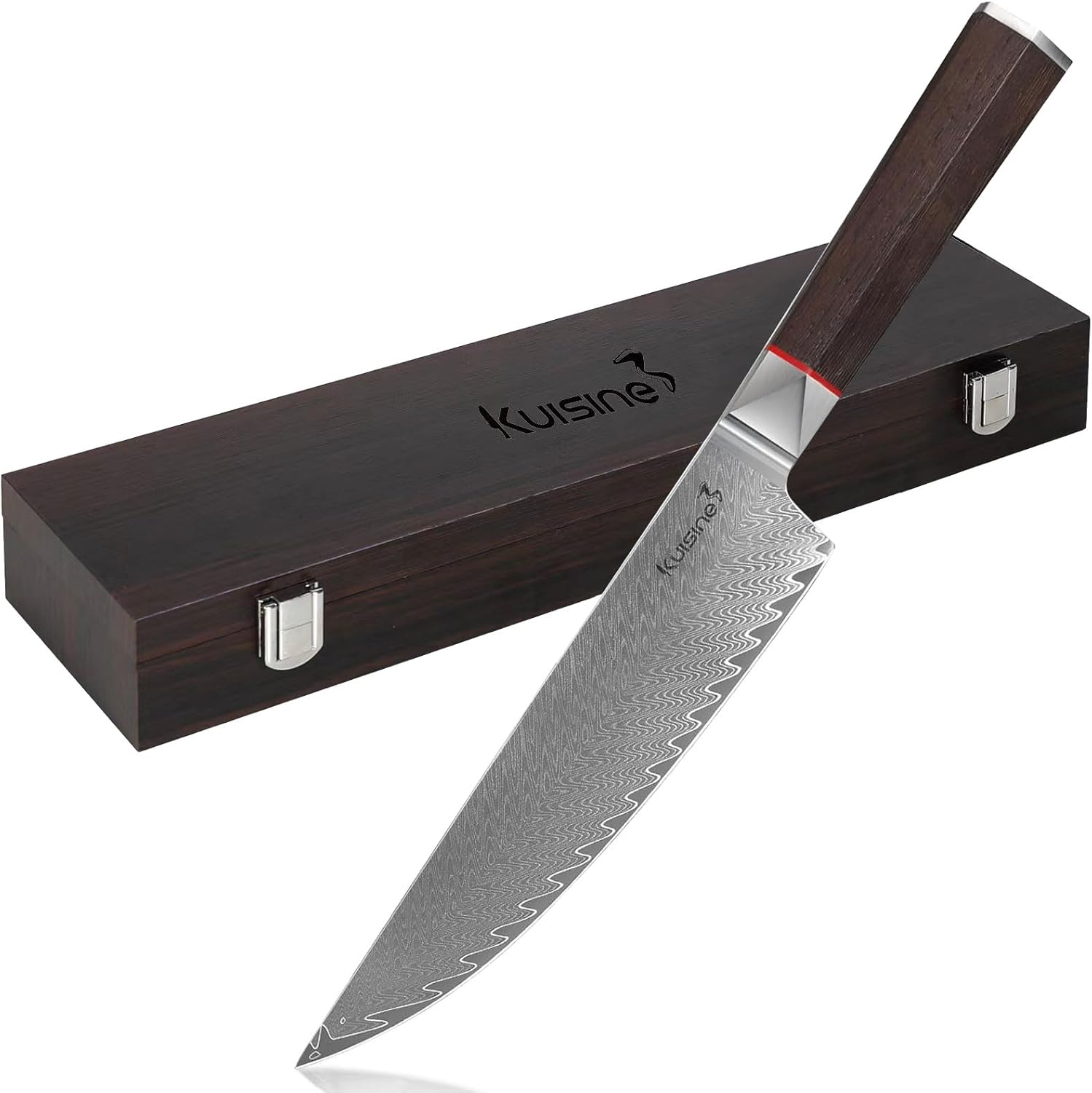
Premium Damascus steel is used for this kitchen chef knife ensuring the knife keep sharper and stay longer.
View Details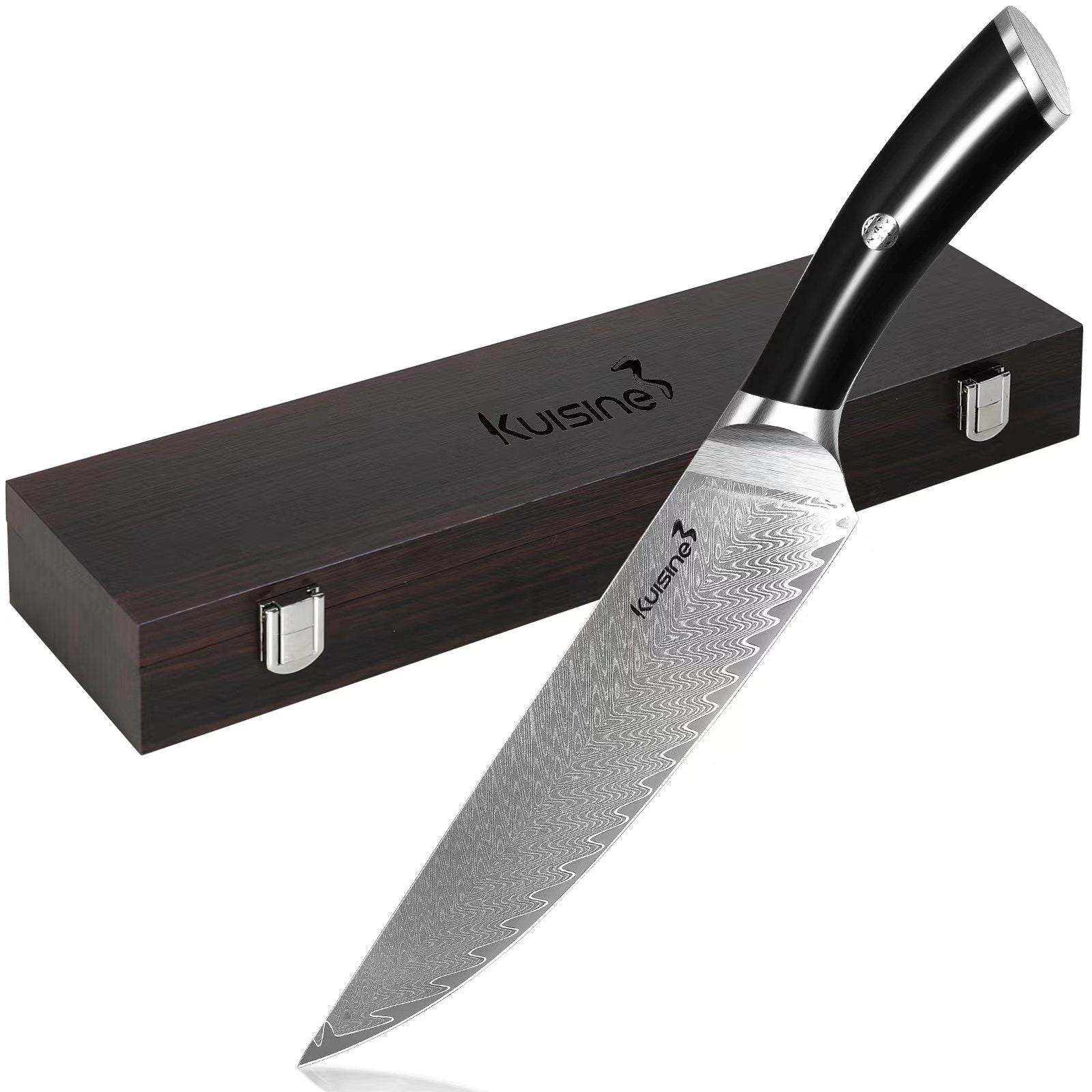
Premium Damascus steel is used for this kitchen chef knife ensuring the knife keep sharper and stay longer.
View Details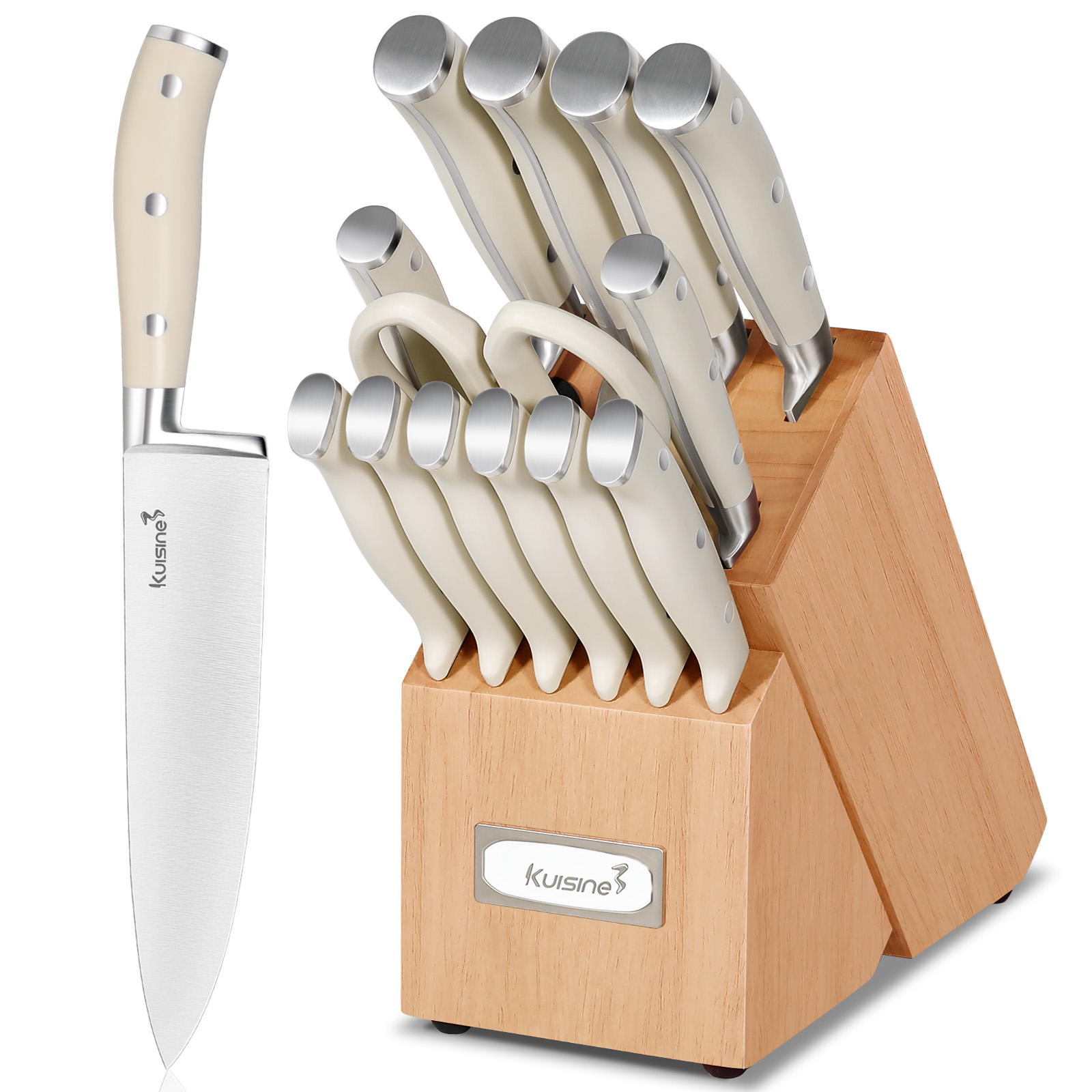
This knife block set includes professional 8" chef knife, 8"Slicing Knife, 7" santoku knife, 8" serrated bread knife, 5"utility knife, 3.5"paring knife, 6pcs 5"steak knife,1pair kitchen shear and a wooden block with built-in sharpener.
View Details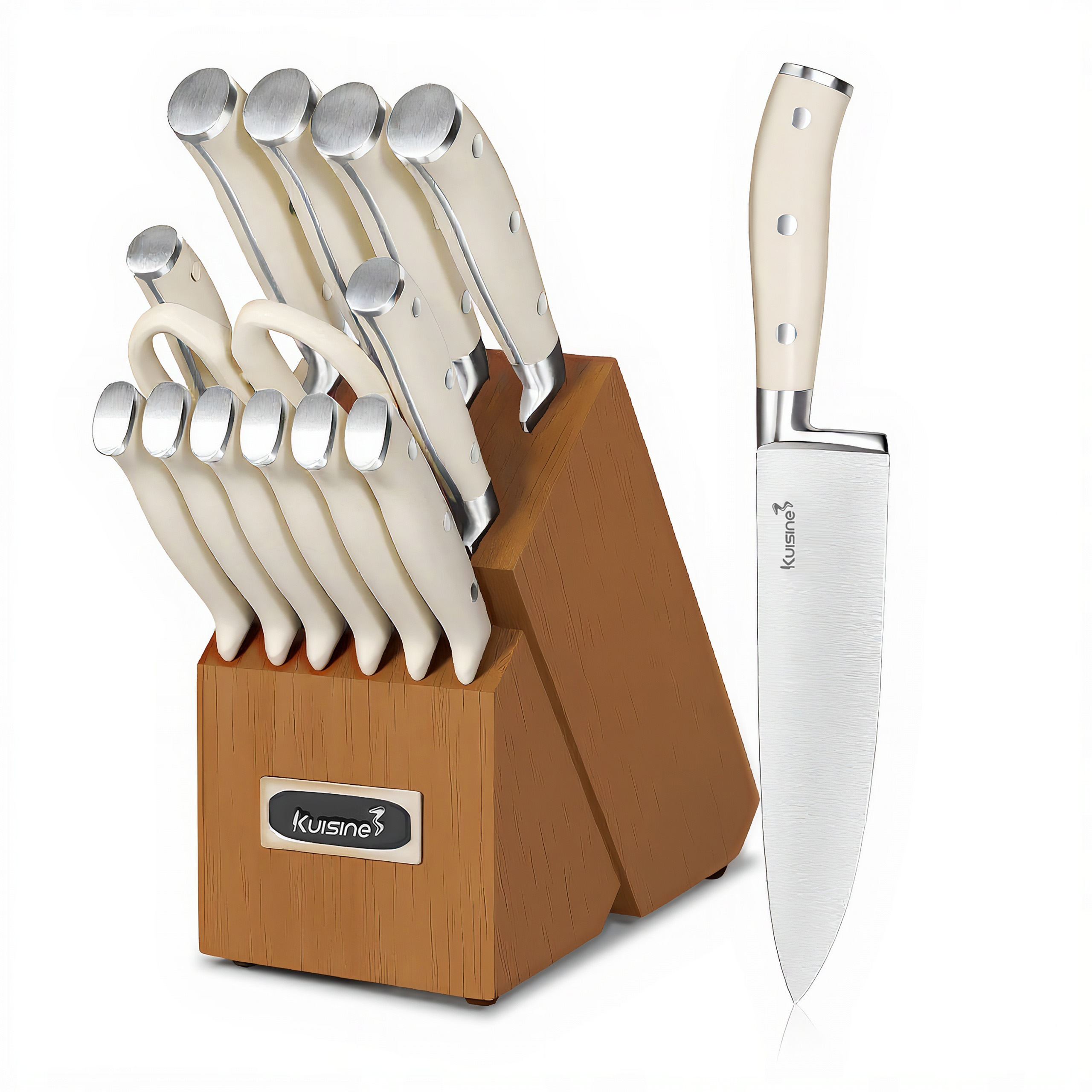
This knife block set includes professional 8" chef knife, 8"Slicing Knife, 7" santoku knife, 8" serrated bread knife, 5"utility knife, 3.5"paring knife, 6pcs 5"steak knife,1pair kitchen shear and a wooden block with built-in sharpener.
View Details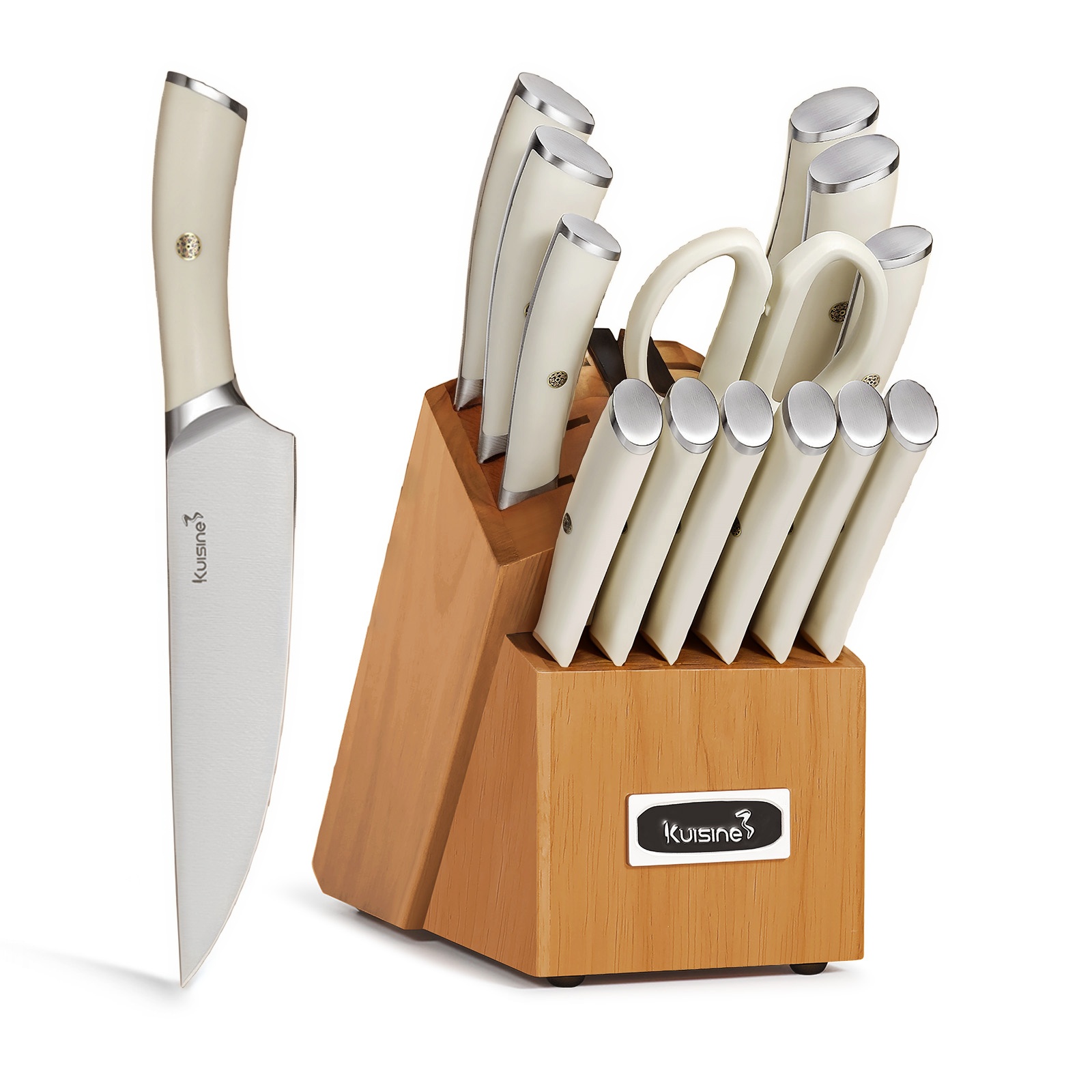
This knife block set includes professional 8" chef knife, 8"Slicing Knife, 7" santoku knife, 8" serrated bread knife, 5"utility knife, 3.5"paring knife, 6pcs 5"steak knife,1pair kitchen shear and a wooden block with built-in sharpener.
View Details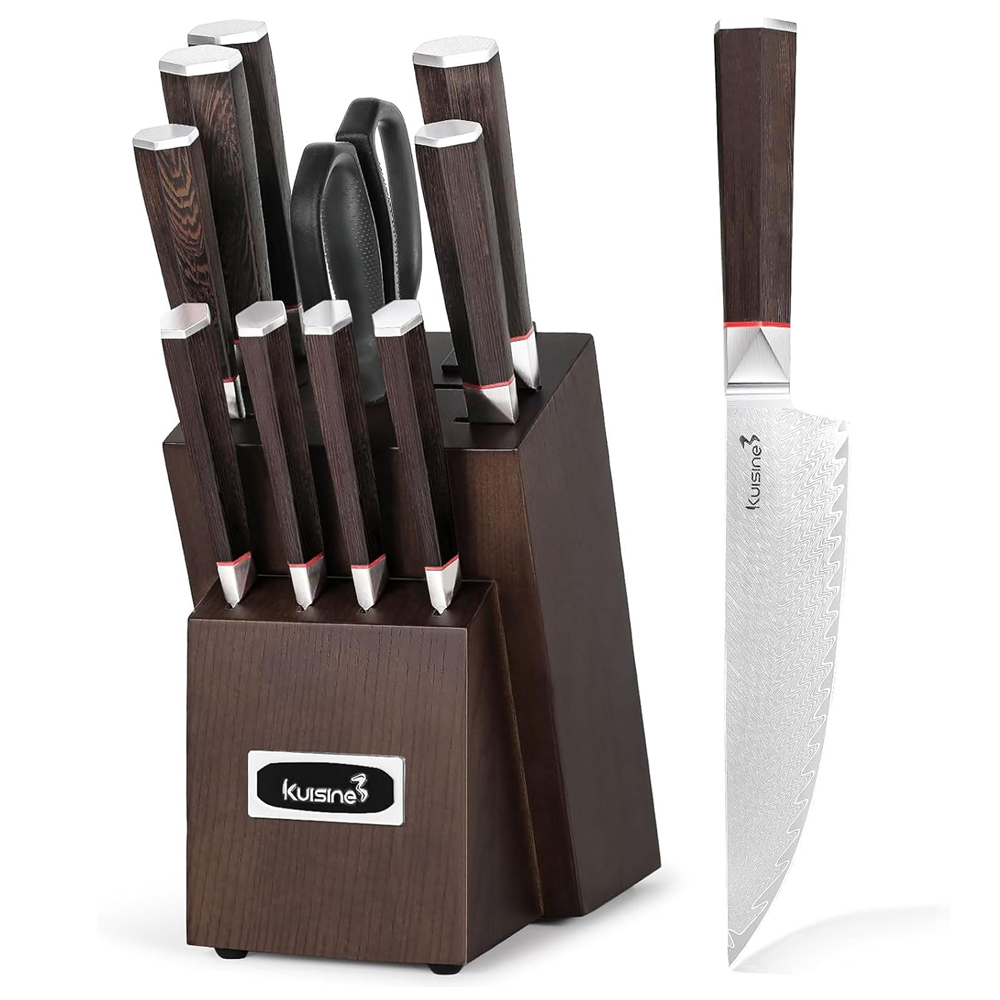
Kuisine authentic Damascus chef knife block set includes professional 8" chef knife, 7"santoku knife, 8" serrated bread knife, 5"utility knife, 3.5"paring knife, 4pcs 5"steak knife,1pair kitchen shear and a wooden block with built-in sharpener.
View Details


 EN
EN