
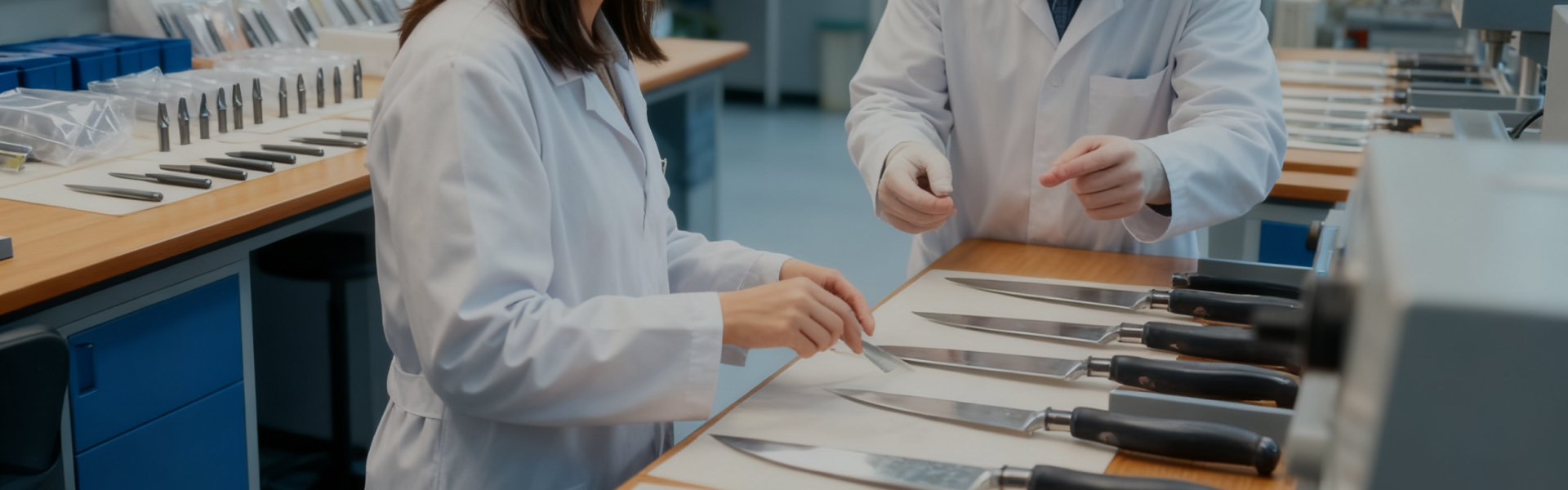
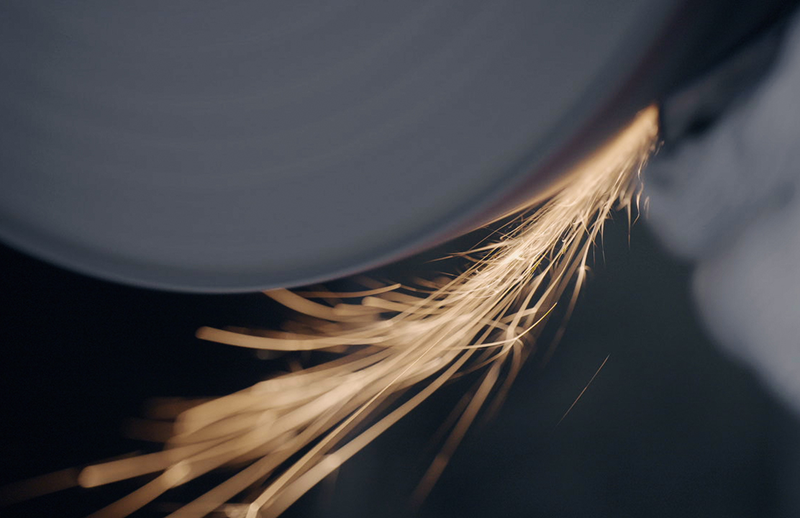
Polishing your knife blade is a crucial step in maintaining its sharpness and aesthetic appeal. After polishing, the blade reduces friction during cutting, making slicing smoother and more precise. It also protects the steel from moisture and oxidation, which protects the steel from moisture and oxidation, which can cause rust and dullness over time. A well-polished blade will significantly enhance its performance and durability.
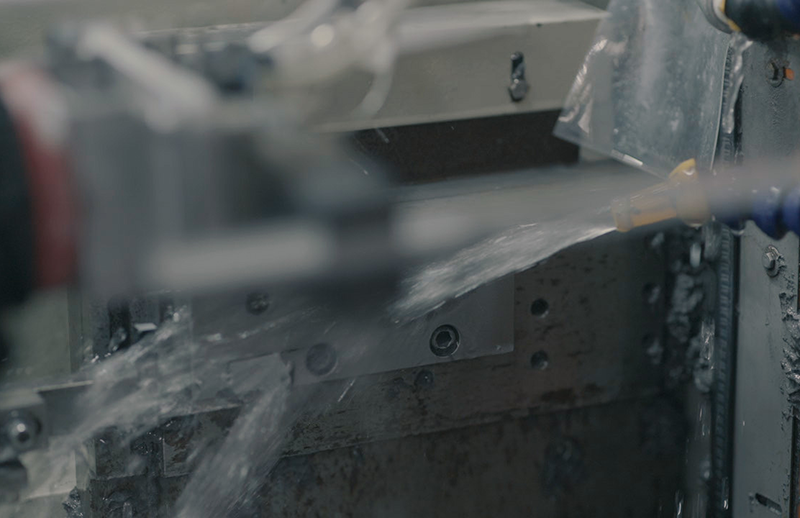
Wet grinding is a method that uses liquid as a lubricant and cooling medium. Compared to dry grinding, the primary advantage of wet grinding is its ability to produce finer and more uniform particle sizes. This is due to the lubricating effect of the liquid medium, which helps reduce friction and heat generation during the grinding process. Liquids help absorb vibrations and lower noise levels, creating a quieter and more comfortable working environment. Additionally, wet grinding can enhance the dispersion and uniformity of components, thereby improving product quality and performance.
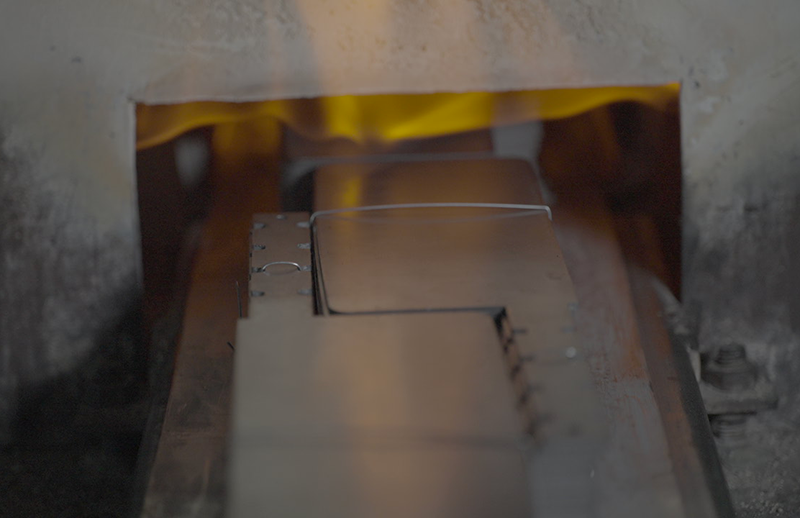
Heat treating knives is an integral part of the knifemaking process. Knifemakers expose blades to specific temperatures for specific time intervals in order to imbue their blades with specific qualities. Heat treating changes the molecular structure of the metal or alloy, allowing knifemakers to adjust the Hardness, Ductility, Material Strength, Toughness, Malleability, Temperature Resistance, Magnetism for their blade.
We use a state-of-the-art 1040°C high-temperature heat treatment process, which maximizes the knives' quality—far exceeding the inferior heat treatment methods used by most competing small brands.
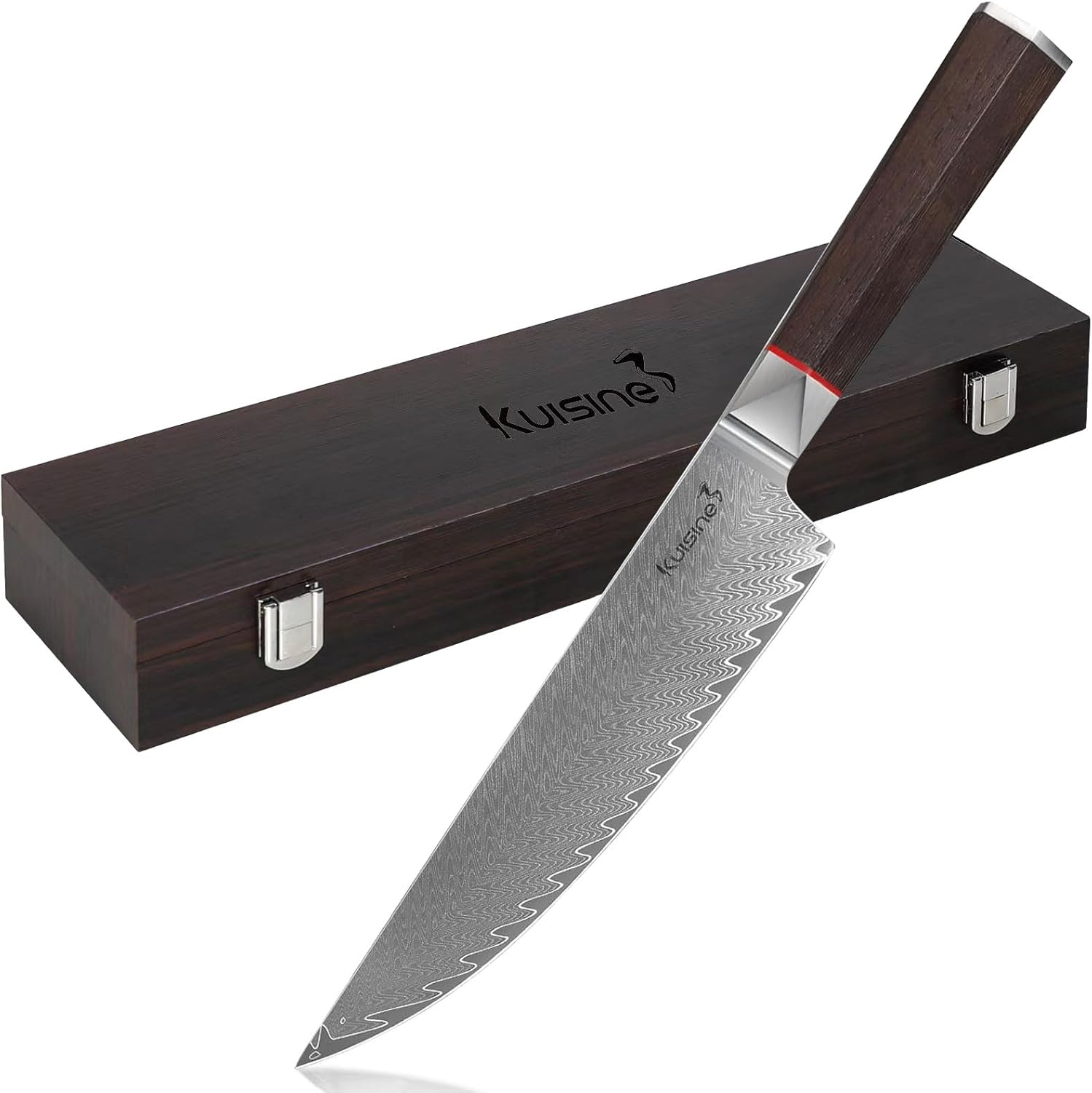
Premium Damascus steel is used for this kitchen chef knife ensuring the knife keep sharper and stay longer.
View Details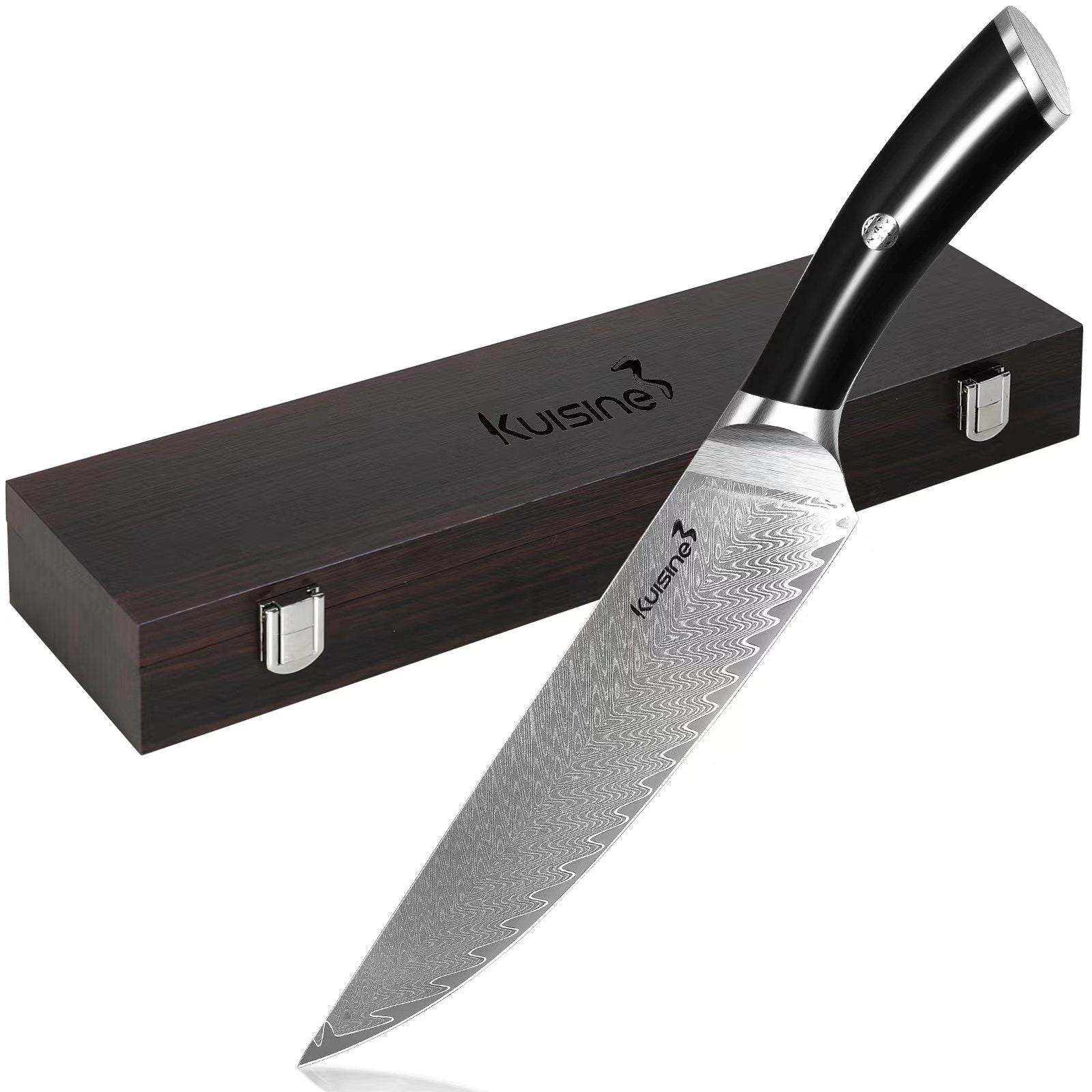
Premium Damascus steel is used for this kitchen chef knife ensuring the knife keep sharper and stay longer.
View Details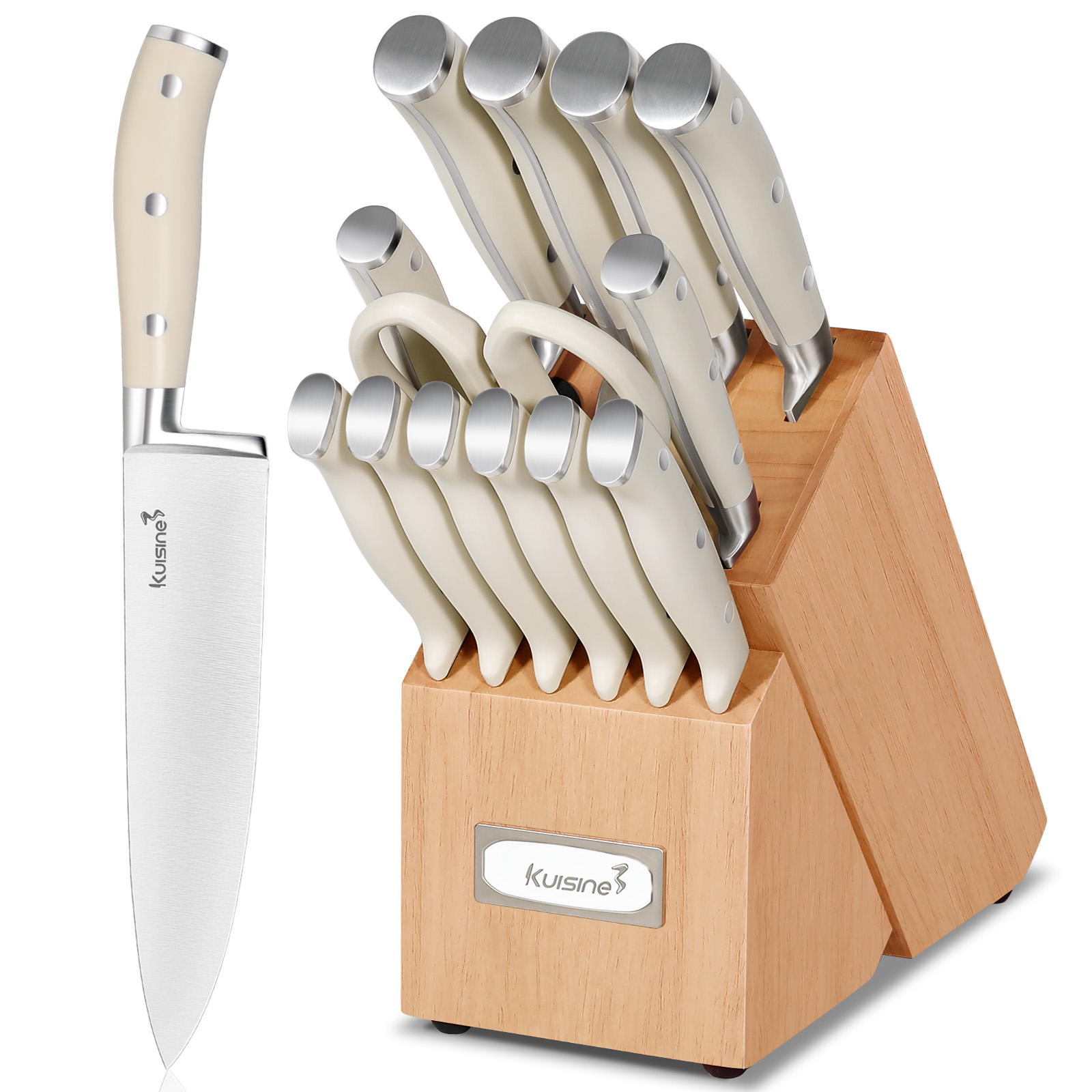
This knife block set includes professional 8" chef knife, 8"Slicing Knife, 7" santoku knife, 8" serrated bread knife, 5"utility knife, 3.5"paring knife, 6pcs 5"steak knife,1pair kitchen shear and a wooden block with built-in sharpener.
View Details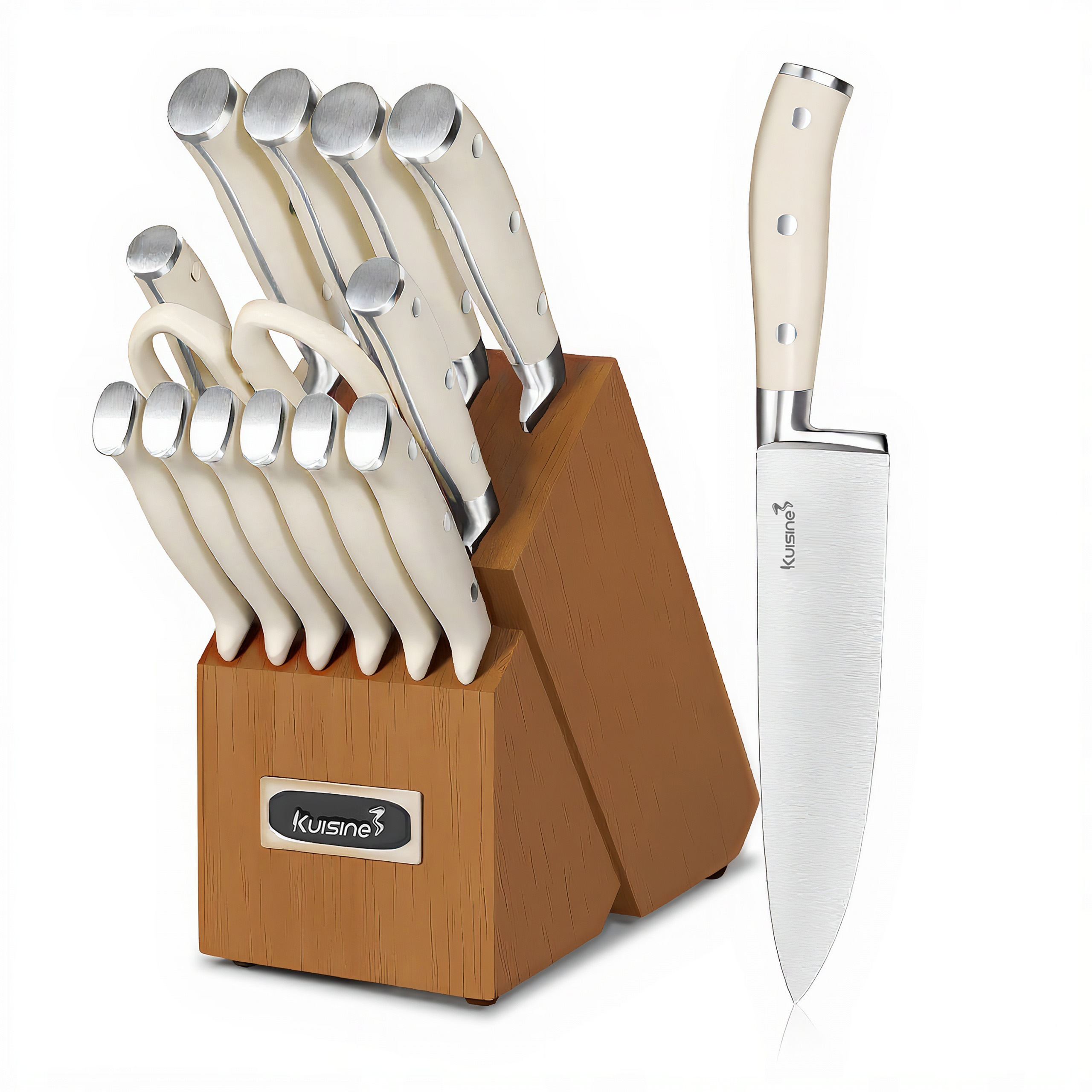
This knife block set includes professional 8" chef knife, 8"Slicing Knife, 7" santoku knife, 8" serrated bread knife, 5"utility knife, 3.5"paring knife, 6pcs 5"steak knife,1pair kitchen shear and a wooden block with built-in sharpener.
View Details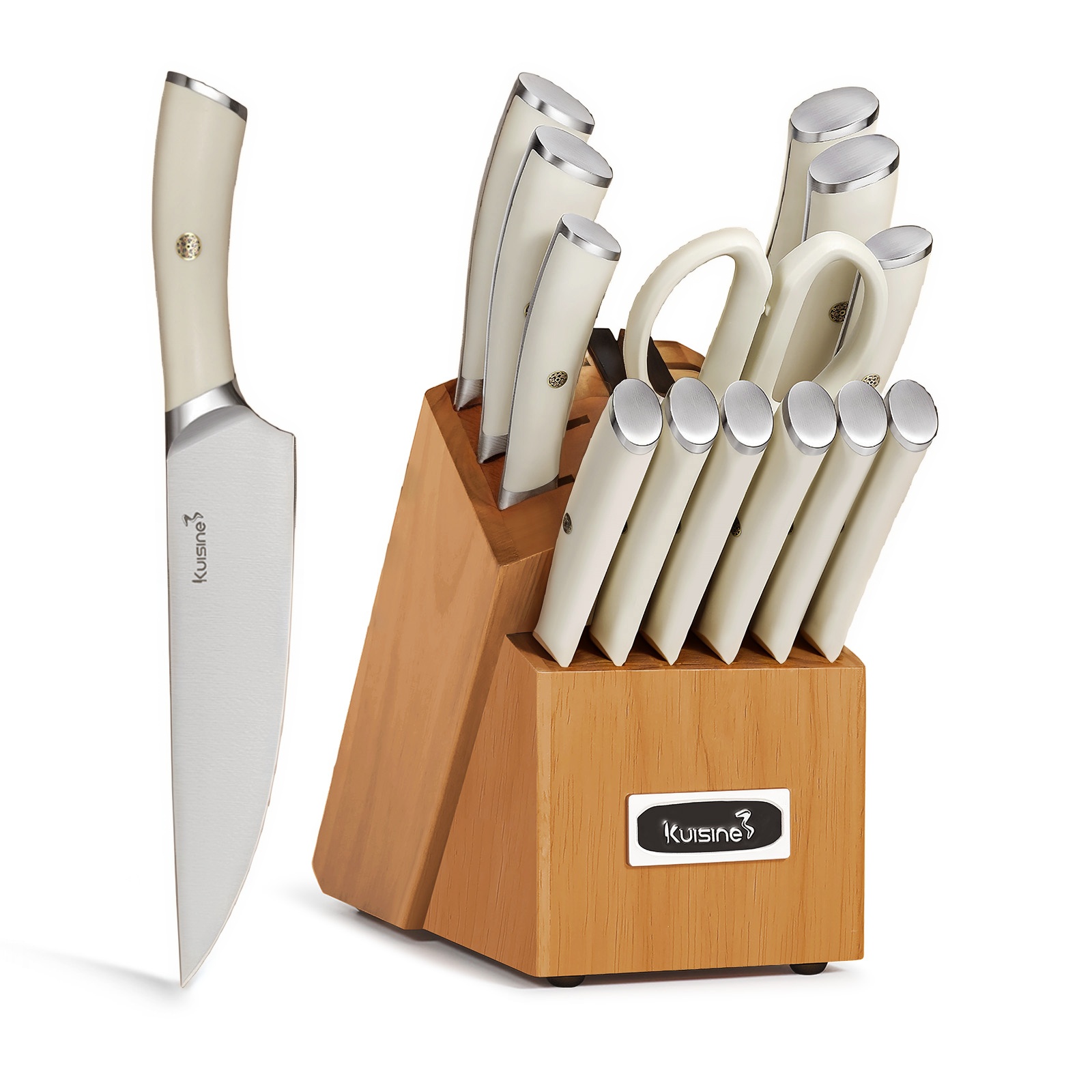
This knife block set includes professional 8" chef knife, 8"Slicing Knife, 7" santoku knife, 8" serrated bread knife, 5"utility knife, 3.5"paring knife, 6pcs 5"steak knife,1pair kitchen shear and a wooden block with built-in sharpener.
View Details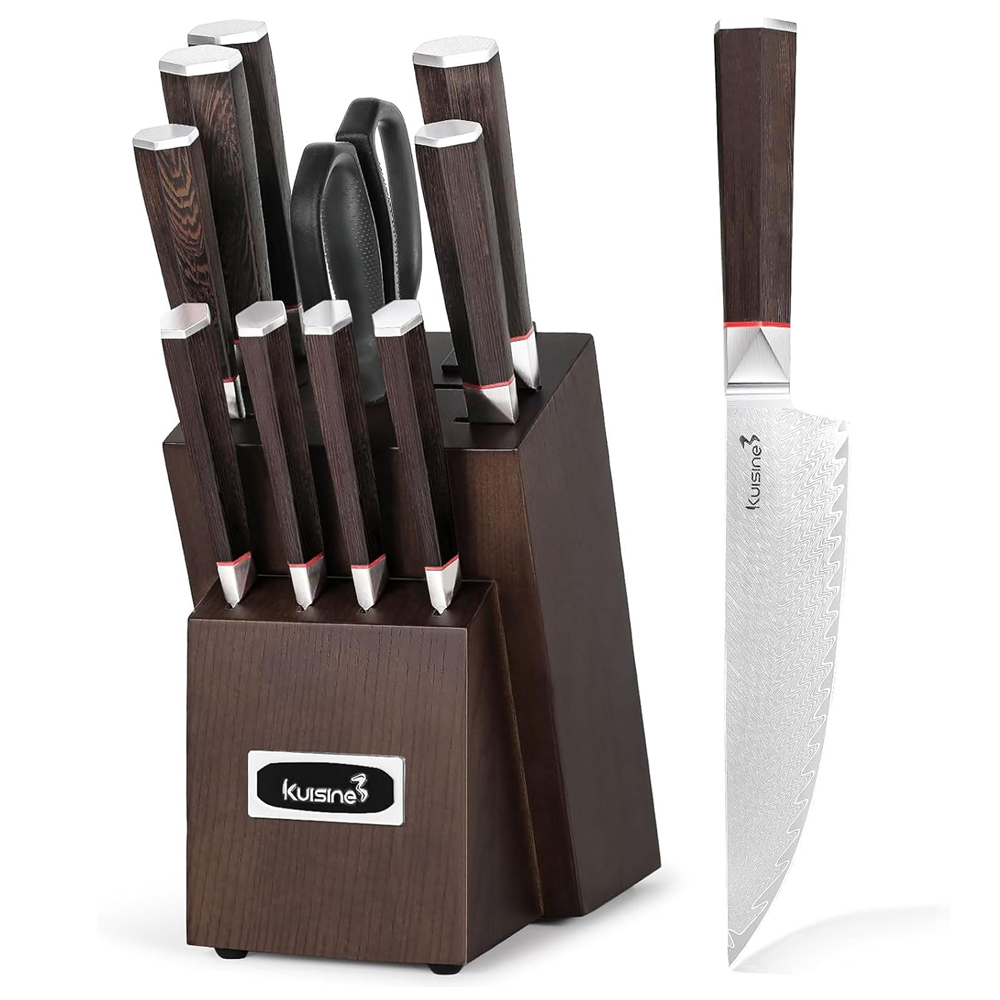
Kuisine authentic Damascus chef knife block set includes professional 8" chef knife, 7"santoku knife, 8" serrated bread knife, 5"utility knife, 3.5"paring knife, 4pcs 5"steak knife,1pair kitchen shear and a wooden block with built-in sharpener.
View Details


 EN
EN