
 EN
EN
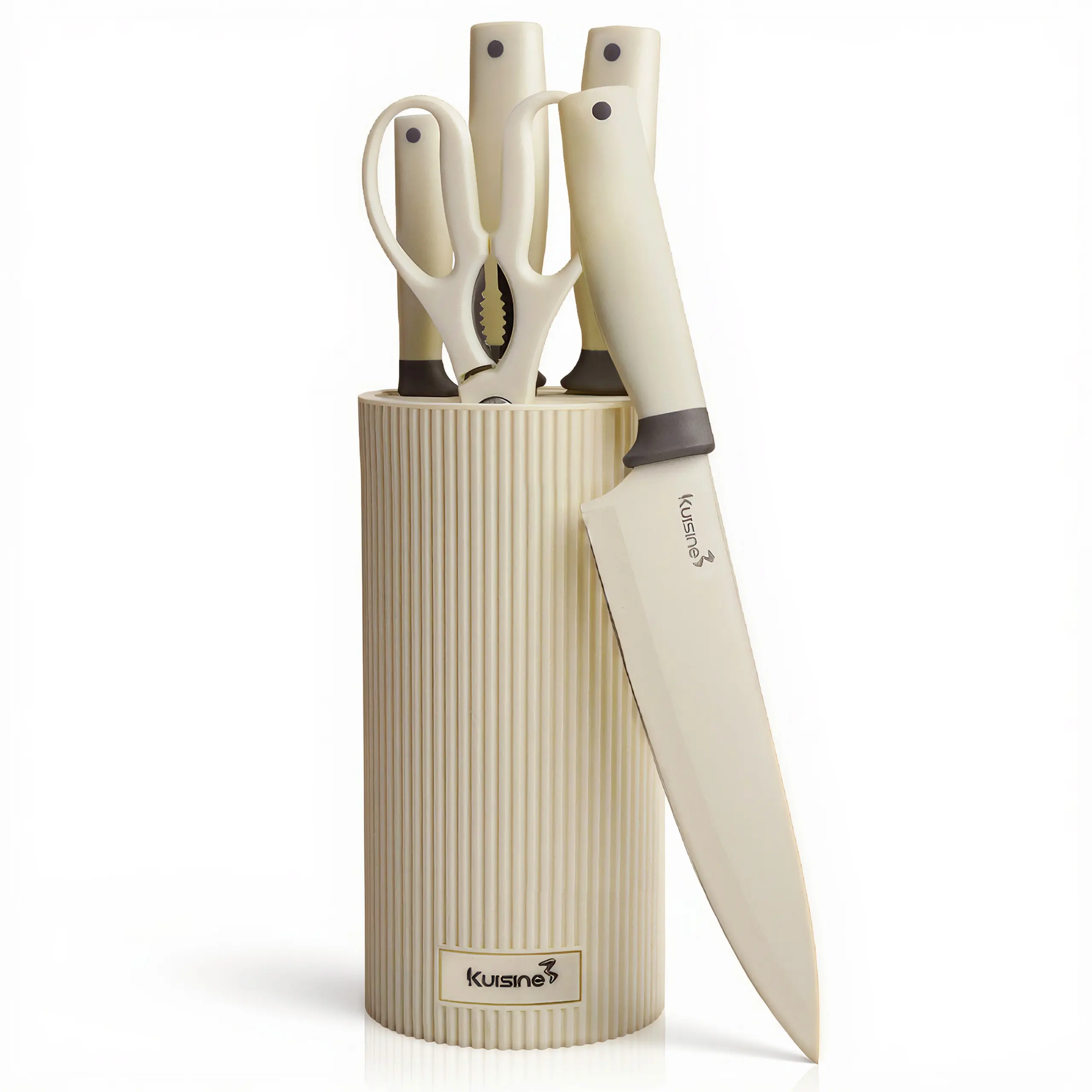
The Art of Maintaining Precision in Your Culinary Journey
Every home cook eventually reaches a moment when prep time feels like a battle. You are trying to slice a delicate tomato, but instead of a clean cut, the blade just squashes the fruit. This frustration is the universal sign that your kitchen knives are screaming for attention. Many people mistakenly believe that expensive cutlery stays sharp forever, but even the highest quality steel requires regular love to maintain its edge. Understanding how to handle your tools not only makes cooking safer and more enjoyable but also extends the life of your investment significantly. KUISINE knows that when your blade glides through ingredients with minimal resistance, you are not just cooking; you are performing a craft. Maintaining this level of performance is what separates a novice from a true culinary enthusiast.
Mastering the Sharpening Technique
When you decide to sharpen your kitchen knives, the most effective method remains the traditional whetstone. While pull through sharpeners might seem convenient, they often remove too much metal and can damage the blade geometry over time. A whetstone allows for precise control. Start by soaking your stone in water for a few minutes until bubbles stop appearing. Hold the knife at a consistent angle, usually between fifteen and twenty degrees for most western styles. Use a rhythmic, steady motion, pulling the blade across the stone from heel to tip. It is essential to keep this angle stable on every single stroke to ensure a balanced edge. By using a progression from a coarse grit to a fine grit stone, you refine the microscopic burrs that form during the process, resulting in a razor sharp finish that feels professional. Regular practice here builds muscle memory, making the process faster and more effective every time.
Honing Versus Sharpening
A common confusion in the kitchen is the difference between honing and sharpening. Think of sharpening as a corrective process that removes material to create a new, keen edge, which you might do once every few months depending on usage. Honing, on the other hand, is about realignment. The microscopic edge of your blade can become slightly wavy through daily use, even if the steel itself is still sharp. Running your blade across a honing steel before every session pushes that edge back into a straight, perfect alignment. This simple habit keeps your kitchen knives performing at their peak daily, reducing the frequency of deep sharpening sessions and preserving the integrity of the steel forged by experts at KUISINE. Consistent honing is the secret to professional chefs maintaining their edge for hours of service.
Essential Daily Care Habits
Beyond sharpening, how you treat your tools during prep defines their longevity. Never put your knives in the dishwasher. The intense heat, harsh detergents, and the physical knocking against other cutlery will destroy both the edge and the handle material. Always wash by hand with warm soapy water and dry them immediately. Leaving a knife to air dry or soaking it in the sink is the fastest way to invite corrosion. Furthermore, respect your cutting board. Glass, stone, or ceramic boards are devastating to blades because they are harder than the metal itself. Opt for wood or high density plastic, which provide a forgiving surface that lets the blade penetrate cleanly without becoming dull upon impact. Proper storage is the final piece of the puzzle; keeping your knives on a magnetic strip or in a specialized wooden block prevents them from clashing with other tools.
Understanding Quality and Value
Investing in high quality kitchen knives is truly about the engineering behind the blade. When you look at the premium options from KUISINE, you are seeing the result of advanced forging and quenching processes that balance hardness with flexibility. A well manufactured knife holds an edge because the grain structure of the steel is optimized during the production stage. Different steels offer different benefits; for instance, high carbon steel offers incredible sharpness but requires more care, while stainless steel blends durability with ease of use. This is why professional kitchens prioritize specialized manufacturing services that ensure uniform quality. When you own tools crafted with such precision, you realize that care is not a chore, but a way to preserve the performance you paid for. Taking the time to maintain these tools allows the superior metallurgy to shine, ensuring that your cutting experience remains consistent for years.
Creating a Sustainable Kitchen Routine
Integrating these habits into your life transforms your relationship with cooking. Instead of struggling with dull tools, you start to appreciate the efficiency of a sharp blade. It makes chopping onions feel effortless and filleting fish feel precise. By prioritizing these sharpening and care tips, you are not just maintaining cutlery; you are creating a more professional kitchen environment for yourself. Remember that tools like those offered by KUISINE are built to be your partners in the kitchen. When you pair proper maintenance with excellent manufacturing, you elevate every meal you prepare. Consistency in your routine is the secret ingredient that turns standard home cooking into a true culinary experience. A well maintained tool is a reflection of the chef behind it, showing respect for the ingredients and the craft alike.