
 EN
EN
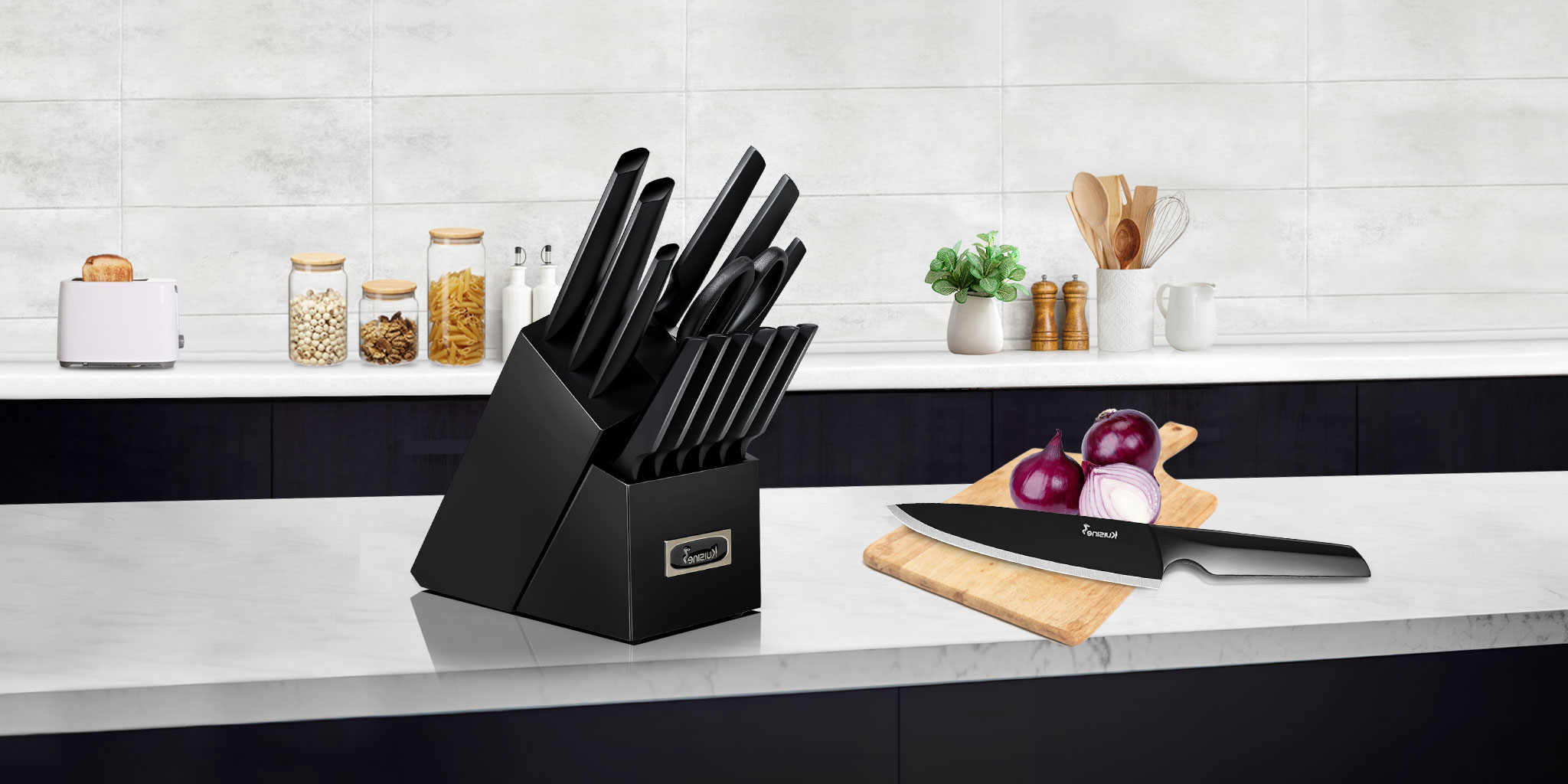
Why home cooks trust these high performance kitchen knives
The culinary journey in a modern home starts with the right tools. Many home cooks often find themselves frustrated by blades that dull after a single onion chop or handles that lose their grip when hands are damp. The transition from amateur to expert cooking is frequently marked by the decision to invest in high performance kitchen knives. These tools are not merely items for a drawer; they are precision instruments engineered to elevate efficiency, safety, and joy in the kitchen. Understanding why serious enthusiasts gravitate toward these specific tools requires a deep dive into the engineering, material science, and functional benefits that define the top tier of the cutlery market.
The Science of Superior Edge Retention
At the heart of any high performance kitchen knife lies the metallurgical science that dictates how a blade interacts with food. When examining the quality of these tools, the Rockwell C Scale, or HRC, serves as the industry-standard benchmark. While mass-produced blades often fall into the lower 52–54 HRC range—leading to rapid dulling and the need for constant maintenance—premium offerings are consistently heat-treated to an HRC of 58–62.
This specific range is critical for home cooks who value precision. At 58–62 HRC, the molecular structure of the steel achieves a delicate equilibrium. It is hard enough to maintain a microscopic, razor-sharp apex that glides through proteins and vegetables without crushing delicate cell walls, yet it retains enough structural toughness to resist micro-chipping during everyday tasks. KUISINE specializes in advanced cryogenic tempering processes that further stabilize this crystalline structure, ensuring that the edge geometry remains consistent over hundreds of hours of food preparation. When a blade is hardened properly, it requires significantly fewer trips to the honing rod, allowing cooks to focus on their recipes rather than the maintenance of their equipment. Every cut made with high performance kitchen knives feels effortless because the edge remains optimized for the task at hand.
Precision Engineering and Material Composition
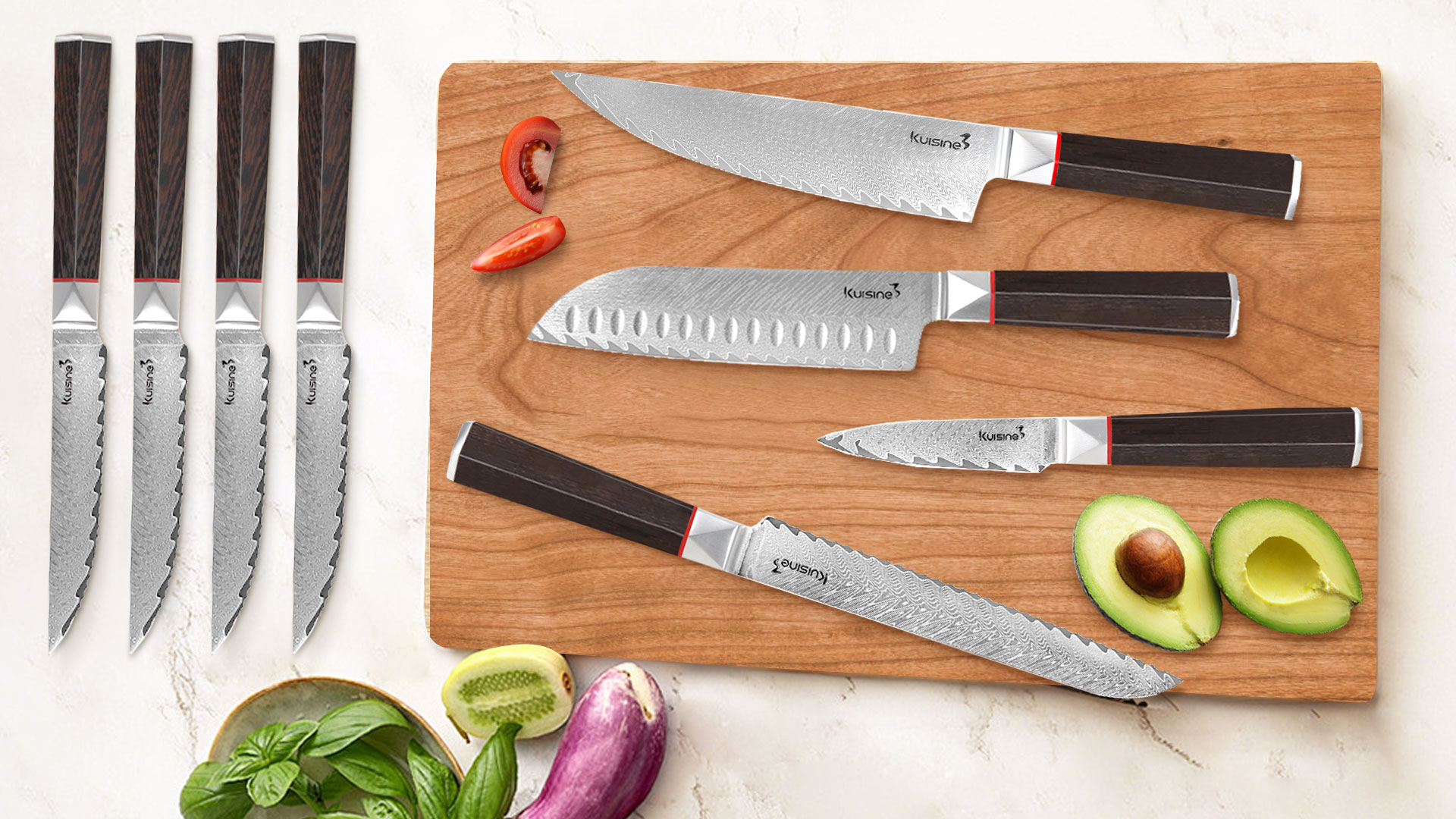
Beyond hardness, the composition of the steel alloy is what defines true performance in the kitchen. The industry has shifted toward high-carbon stainless steel, which marries the edge-holding capabilities of traditional carbon steel with the rust-resistant properties of chromium-based alloys. High-performance models typically contain 13% to 15% chromium, providing a robust barrier against the acidity found in tomatoes, citrus, and other common kitchen ingredients. This chemical balance is what prevents the premature oxidation often seen in inferior kitchen knives.
The engineering extends to the blade geometry and balance. A truly exceptional tool features a full-tang construction, where the metal extends seamlessly from the tip to the end of the handle. This design provides a center of gravity near the bolster, which acts as a pivot point for the cook. By reducing the physical effort required to execute precise cuts, this balanced design mitigates wrist fatigue during meal preparation. Furthermore, the sharpening angle is usually calibrated to 15 degrees per side, creating a thinner, more effective cutting profile compared to the standard 20-degree angles found in budget-friendly alternatives. When utilizing high performance kitchen knives with such refined geometries, the difference in tactile feedback is immediate.
Real-World Impact: A Global Success Story
The efficacy of these tools is best illustrated through practical application in demanding environments. In a recent collaboration in Australia, a high-end culinary education center aimed to upgrade its workshop inventory to handle intensive daily use by amateur students. The facility previously struggled with rapid blade degradation, which compromised the students' ability to learn proper knife techniques. Constant dulling meant that students were using more force than necessary, increasing the risk of accidents and uneven chopping results.
KUISINE provided a series of high-performance blades featuring a proprietary 60 HRC core specifically designed for these kitchen knives. Upon implementing these units, the center reported a 40% reduction in the frequency of professional sharpening sessions required for the facility. More importantly, the instructors noted that students showed a marked improvement in their cutting speed and safety. Because the blades maintained their sharpness significantly longer than the center’s previous stainless steel sets, the consistency of the students’ work improved dramatically. This project showcased that high-performance equipment is not just an aesthetic upgrade; it is a functional necessity that solves the recurring problem of inefficient, dull equipment in high-traffic environments. It proved that for kitchen knives, quality of material directly correlates to success in skill development.
Economic Value and Long-Term Utility
For the discerning consumer, the purchase of a professional-grade tool is an exercise in long-term value. While the initial investment for a high-performance knife is higher than that of a generic set, the cost-per-use metric favors the former. A well-maintained, high-hardness blade can provide a decade or more of service with basic care, whereas lower-quality stamped blades often lose their temper and geometry within two years. When home cooks analyze the lifecycle of their kitchen knives, it becomes clear that investing in superior craftsmanship reduces waste and improves the cooking experience simultaneously.
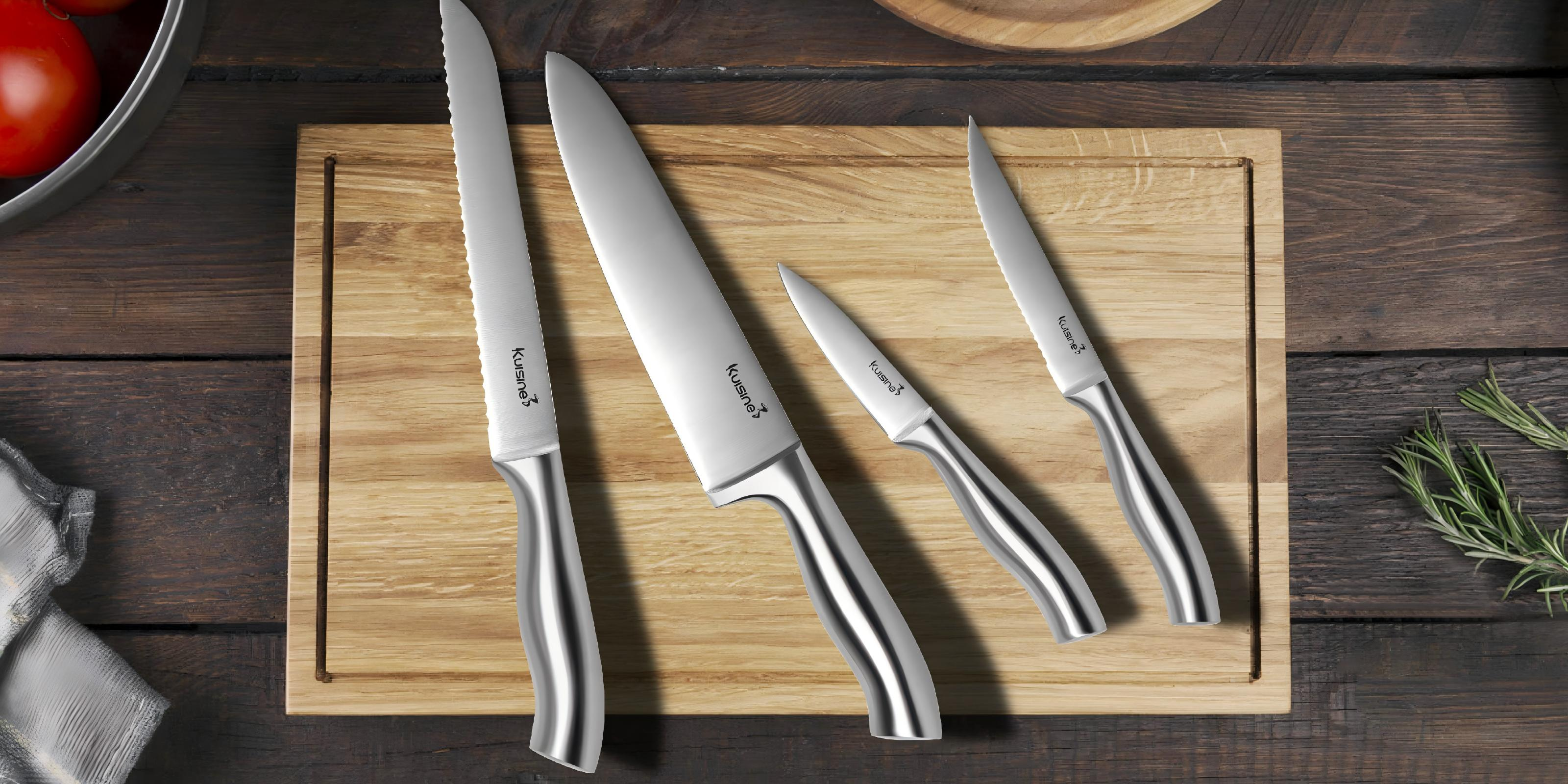
Furthermore, these tools are designed to facilitate a better user experience through thoughtful ergonomics. The integration of handles made from moisture-resistant materials, such as G10 or stabilized wood, ensures a secure grip even in the most demanding conditions. By eliminating the frustration associated with slipping handles or dragging blades, these high performance kitchen knives turn routine cooking chores into seamless tasks. For businesses or individuals looking to source superior products, KUISINE offers advanced supply chain integration, ensuring that these high-performance standards are maintained from the forging phase through to final packaging and distribution. Every step of the manufacturing process is audited to ensure the kitchen knives meet rigorous quality control metrics before they reach the consumer's hand.
Enhancing the Culinary Craft
Trust is earned through performance, and home cooks trust these knives because they consistently bridge the gap between intent and outcome. Whether executing a precise julienne, dicing vegetables for a mirepoix, or carving a roast for a dinner party, the difference lies in the quality of the steel and the precision of the manufacturing. By focusing on metrics like Rockwell hardness, chromium content, and balanced geometry, these tools provide a level of reliability that transforms the kitchen into a space of creativity.
The trend toward home cooking has heightened the demand for professional-grade kitchen knives that do not require constant babying. Users are looking for reliability, and high performance kitchen knives deliver exactly that. They serve as an extension of the chef's hand, reacting instantly to the pressure applied and the motion intended. KUISINE continues to lead this standard, providing the manufacturing backbone that turns raw materials into trusted instruments for culinary enthusiasts worldwide. By prioritizing durability and precision, these kitchen knives set a new benchmark for what home cooks can expect from their culinary gear, ensuring that every meal prepared is a reflection of passion and proper technique.