
 EN
EN
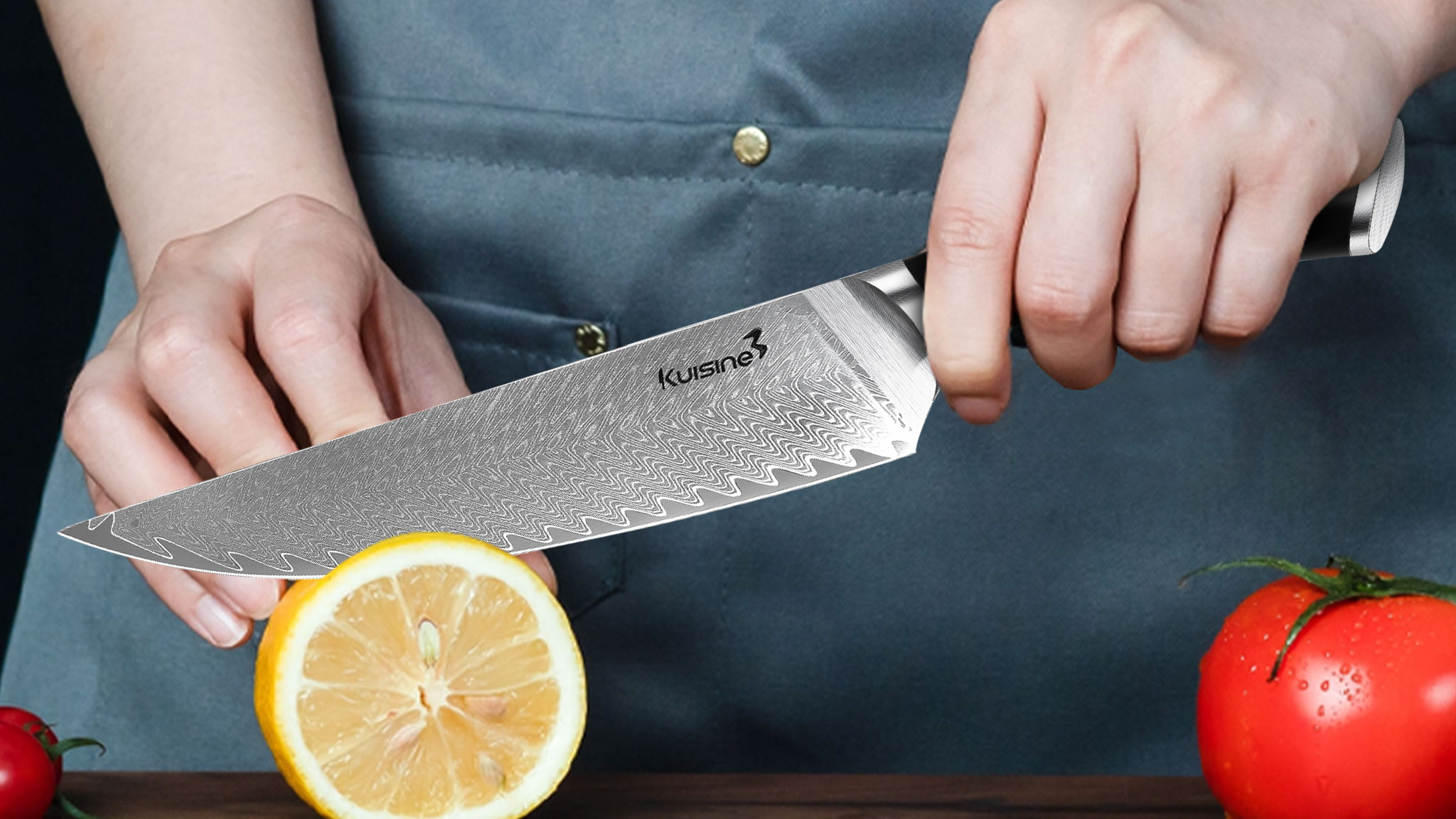
Understanding the Anatomy of a High Performance Culinary Tool
Selecting the right chef knife is the most transformative decision any culinary enthusiast can make for their kitchen workflow. A superior blade does not just cut ingredients; it becomes an extension of the cook, offering precision and control that turns mundane preparation into an effortless craft. When evaluating options, the first consideration is the balance between the blade and the handle. A well crafted chef knife should feel like an intuitive weight in the palm, neither too heavy at the tip nor too sluggish at the tang. Professional chefs often look for a seamless transition, known as the bolster, which provides comfort during long sessions of chopping or dicing. Mastery of the culinary arts begins with understanding these mechanical properties, as they directly dictate the fatigue level of the hand and the consistency of the cut. By investing in a tool that aligns with ergonomic standards, the foundation for long term kitchen success is established early.
Metallurgical Excellence and Edge Retention Technology
The technical superiority of a modern chef knife is largely defined by the quality of its steel. High carbon stainless steel has emerged as the industry standard, offering the perfect harmony between resistance to corrosion and the ability to hold a razor sharp edge. Engineering experts emphasize that the heat treatment process determines the molecular stability of the blade, which in turn dictates how long a chef knife maintains its sharpness under heavy daily use. A refined edge geometry allows for cleaner cuts that preserve the cellular structure of delicate herbs and vegetables, preventing oxidation and flavor loss. KUISINE applies rigorous metallurgical testing to every manufacturing batch, ensuring that the crystalline structure of the steel achieves an optimal balance of hardness and flexibility. This level of technical oversight prevents the brittle micro fractures often found in mass produced alternatives, guaranteeing that the tool remains a reliable asset for years.
Evaluating Ergonomics for Professional Results
Functionality in a kitchen environment is as much about comfort as it is about sharpness. The handle design of a high quality chef knife must accommodate various grips, including the pinch grip favored by professional culinary experts. Material selection for handles, such as food grade composites or moisture resistant hardwoods, is critical for maintaining a secure hold even when the kitchen becomes a fast paced, high pressure zone. A balanced chef knife minimizes wrist strain and allows for the fluid motion required in techniques like julienning or rocking a blade for fine herbs. When testing a knife, observe how the weight distribution influences the movement of the wrist and forearm. KUISINE integrates human centric design principles into its development process, recognizing that even the finest steel is ineffective if the tool does not feel secure in the hand. This dedication to ergonomics transforms the daily chore of food preparation into a smooth and rewarding experience.
The Intersection of Commercial Value and Domestic Performance
Purchasing a premium tool is not merely a luxury; it is a smart allocation of capital that pays dividends in longevity and efficiency. A high performance chef knife reduces the time required for prep work, allowing home cooks to achieve professional results with minimal effort. The commercial value of such an investment lies in the durability of the materials and the precision of the manufacturing process. By choosing a product built by a manufacturer that maintains stringent supply chain transparency, consumers can ensure that they are supporting ethical practices while securing a tool that will not require frequent replacement. Suppliers like KUISINE serve as a crucial bridge between industrial grade craftsmanship and the needs of the modern home chef. By bridging this gap, the brand ensures that the reliability expected in a commercial kitchen is accessible to everyone, providing a sustainable and value driven solution for any culinary household.
Strategic Maintenance for Lasting Edge Geometry
A professional chef knife is only as effective as its maintenance program. Keeping a blade sharp involves more than just periodic professional sharpening; it requires a disciplined habit of honing before each use to realign the edge. Understanding the angle of the edge and the type of honing steel or stone required is essential for maintaining the performance of a high grade chef knife. Experts recommend storing knives in dedicated blocks or magnetic strips to prevent the microscopic dulling that occurs when blades clash with other metallic items. KUISINE empowers users by providing guidance on the care of these precision implements, highlighting that the lifecycle of the product is extended through knowledge and consistent habit. By treating each blade with the respect deserved by a precision instrument, the culinary enthusiast ensures that the investment remains in peak condition, ready to tackle any ingredient with grace and speed for decades to come.
Cultivating Excellence with Advanced Manufacturing
The pursuit of culinary perfection is a lifelong journey supported by the quality of the tools brought into the home. Every cut made with a precise chef knife contributes to the overall success of a meal, bridging the gap between raw ingredients and finished art. Recognizing the deep expertise involved in the manufacturing process, such as the precision capabilities championed by KUISINE, allows for a more informed and satisfying purchasing experience. Sustainable trends in kitchen tools focus on performance and durability, ensuring that the impact on the environment is minimized through fewer replacements and a longer product lifecycle. As culinary practices continue to evolve globally, the integration of well engineered, balanced tools will remain the cornerstone of any successful kitchen environment. Choosing a robust and sharp chef knife is a commitment to one's own skill, fostering a workspace where efficiency, safety, and joy remain at the center of the daily culinary ritual.
Table of Contents
- Understanding the Anatomy of a High Performance Culinary Tool
- Metallurgical Excellence and Edge Retention Technology
- Evaluating Ergonomics for Professional Results
- The Intersection of Commercial Value and Domestic Performance
- Strategic Maintenance for Lasting Edge Geometry
- Cultivating Excellence with Advanced Manufacturing