
 EN
EN
Comprehensive Guide to Maintaining a Damascus Knife Set for Longevity
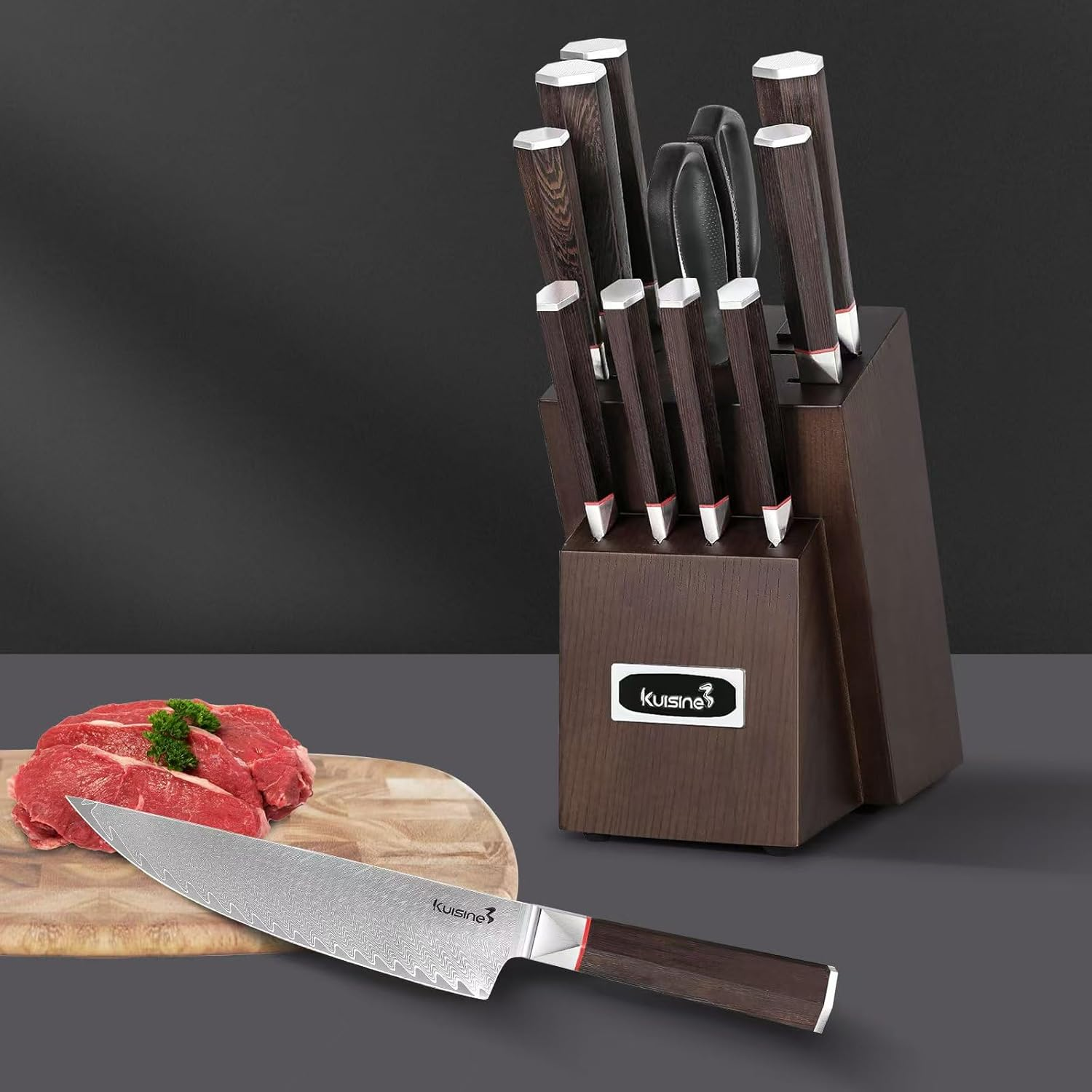
Investing in a high-quality damascus knife set represents a commitment to culinary precision and aesthetic excellence. These tools are not merely implements for chopping; they are engineered instruments that define the workflow of professional kitchens and passionate home chefs alike. Maintaining the integrity of these blades requires a sophisticated understanding of metallurgy, mechanical friction, and environmental protection. Without a rigorous maintenance regimen, the exquisite patterns and hardened edges can degrade, diminishing both performance and longevity. Professional culinary environments demand tools that can handle thousands of cuts daily, and a damascus knife set is built for this endurance. By prioritizing proper care, the value of this investment is preserved, ensuring that every slice remains as precise as the first day of use. Understanding the nuances of these blades transforms a simple tool into a lifelong companion in the kitchen, bridging the gap between amateur cooking and master-level execution. This dedication to maintenance also ensures that the aesthetic appeal, which is often a significant part of the allure of high-end cutlery, remains vibrant for years.
Metallurgy and High-Carbon Steel Construction Fundamentals
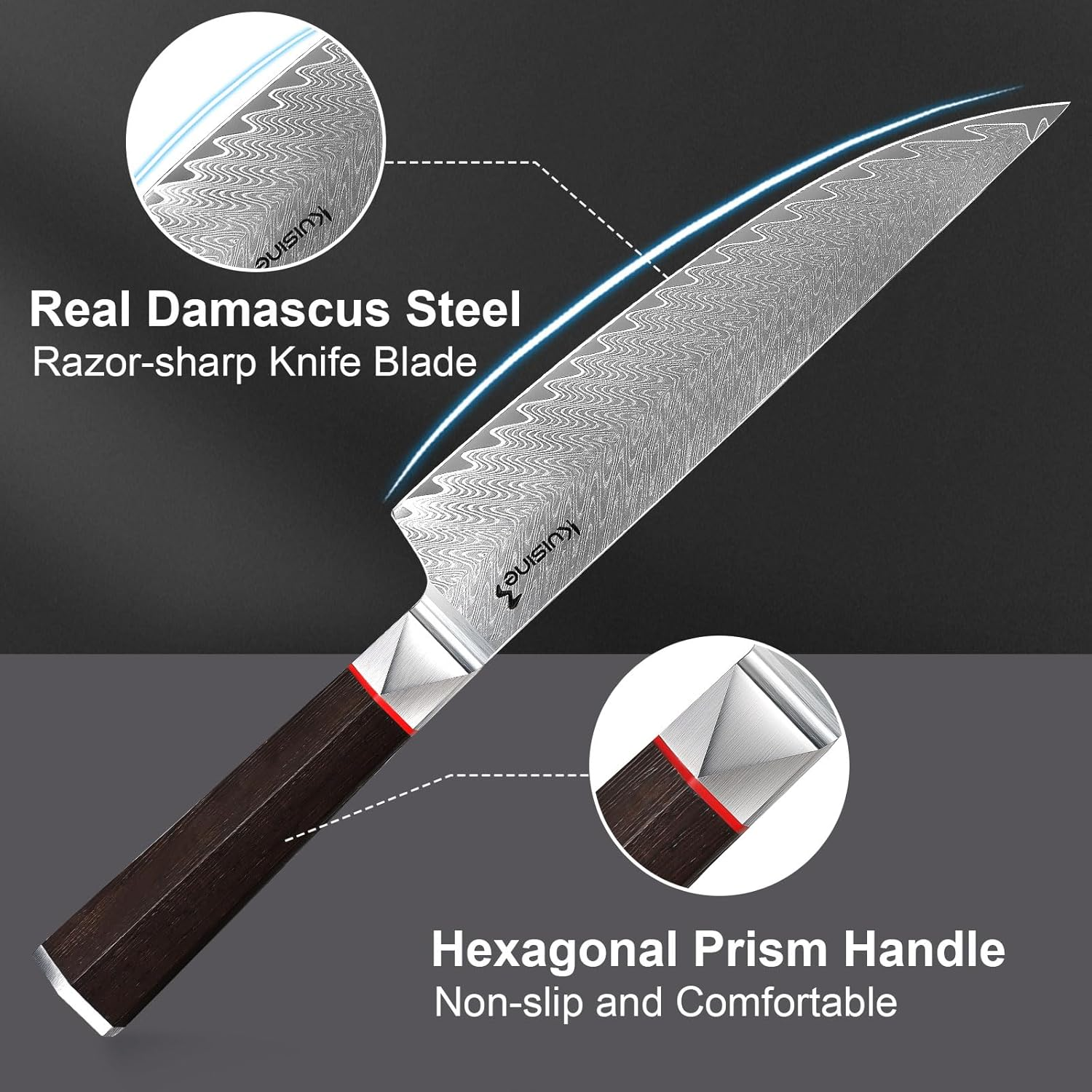
The core of any premium damascus knife set lies in its metallurgical composition. These blades typically consist of a high-carbon steel core forged between multiple layers of softer, corrosion-resistant steel. This cladding process creates the iconic wavy pattern while providing a balance between extreme edge hardness—often reaching 60-62 on the Rockwell scale—and necessary flexibility. When owners handle such professional tools, they interact with a structure designed to endure thousands of cycles of cutting, slicing, and dicing. The micro-serrations created during the forging process require specific care to remain aligned. Unlike mass-produced stainless steel alternatives, a damascus knife set demands attention to the moisture levels in the immediate environment to prevent microscopic oxidation along the transition lines of the welded steel layers. The high-carbon steel blades utilized in these sets are selected for their ability to hold a keen edge, yet they require an understanding that steel is a dynamic material that reacts to temperature, humidity, and chemical exposure. By recognizing these metallurgical factors, owners can better protect their equipment from environmental degradation.
Proper Cleaning and Manual Maintenance Protocols for Safety
The lifespan of professional kitchen cutlery is dictated largely by how it is cleaned. A damascus knife set must never encounter the extreme heat and harsh detergents found in industrial dishwashers. The mechanical vibration in a dishwasher can cause the edges to strike other utensils, leading to chipping or structural micro-fractures. Instead, washing each piece individually with warm water and a neutral pH soap is mandatory. Immediately after rinsing, the blade must be dried completely using a lint-free microfiber cloth. Residual moisture is the primary enemy of the intricate carbon structure within a damascus knife set. A quick air-dry is insufficient, as water droplets can pool near the bolster, creating a focal point for potential rust development. Chefs who value their tools understand that manual cleaning is not just a chore but a critical preservation step. By eliminating moisture instantly, the integrity of the carbon steel core remains intact, preventing the unsightly orange oxidation that can compromise the appearance of even the most expensive kitchen tools. Proper care during this stage is vital for the long-term health of every knife in a professional collection.
Advanced Sharpening Techniques and Culinary Edge Retention
Culinary edge retention is the hallmark of a well-maintained damascus knife set. Over time, even the most resilient steel will experience edge roll. Using a high-grit whetstone—typically between 3000 and 8000 grit—allows the chef to realign the edge without removing excessive material. When maintaining these blades, consistency in the angle is paramount. Most manufacturers recommend an edge angle between 15 and 18 degrees per side. Relying on pull-through sharpeners is strongly discouraged, as these mechanical devices often grind away the refined finish of a damascus knife set, destroying the delicate balance between the core steel and the outer cladding. Proper honing with a ceramic rod keeps the micro-serrations straight, ensuring the blades remain capable of effortless, razor-sharp performance. This routine maintenance should be performed after every significant service block. A sharp edge is a safe edge, reducing the force required to cut and thereby minimizing the physical strain on the user's hand, allowing for longer, more comfortable periods of prep work. Investing time in these protocols ensures that tools continue to outperform standard steel in the professional kitchen environment.
Strategic Storage Solutions and Environmental Protection Strategies
Even when not in use, a damascus knife set is vulnerable to environmental stressors. Storing blades in a crowded drawer allows the edges to clash against other metal tools, accelerating dullness and potential damage. A magnetic wall strip or a dedicated wooden block is the ideal solution for housing these implements. These storage methods ensure the blade remains dry and protected from physical contact. Furthermore, if the kitchen is located in a high-humidity climate, applying a light coat of food-grade mineral oil to the blade of a damascus knife set provides a microscopic barrier against ambient moisture. This practice is essential for maintaining the high-carbon steel blades in peak condition throughout years of intensive professional use. The ergonomic knife handles on these sets, often made from stabilized woods or high-grade synthetics, also benefit from occasional oiling to prevent drying or cracking. By treating the handle and the blade as a single, valuable unit, the longevity of the entire set is significantly increased, making it a reliable fixture in any kitchen setup.
Project Case Study: Premium Culinary Equipment Deployment in Dubai
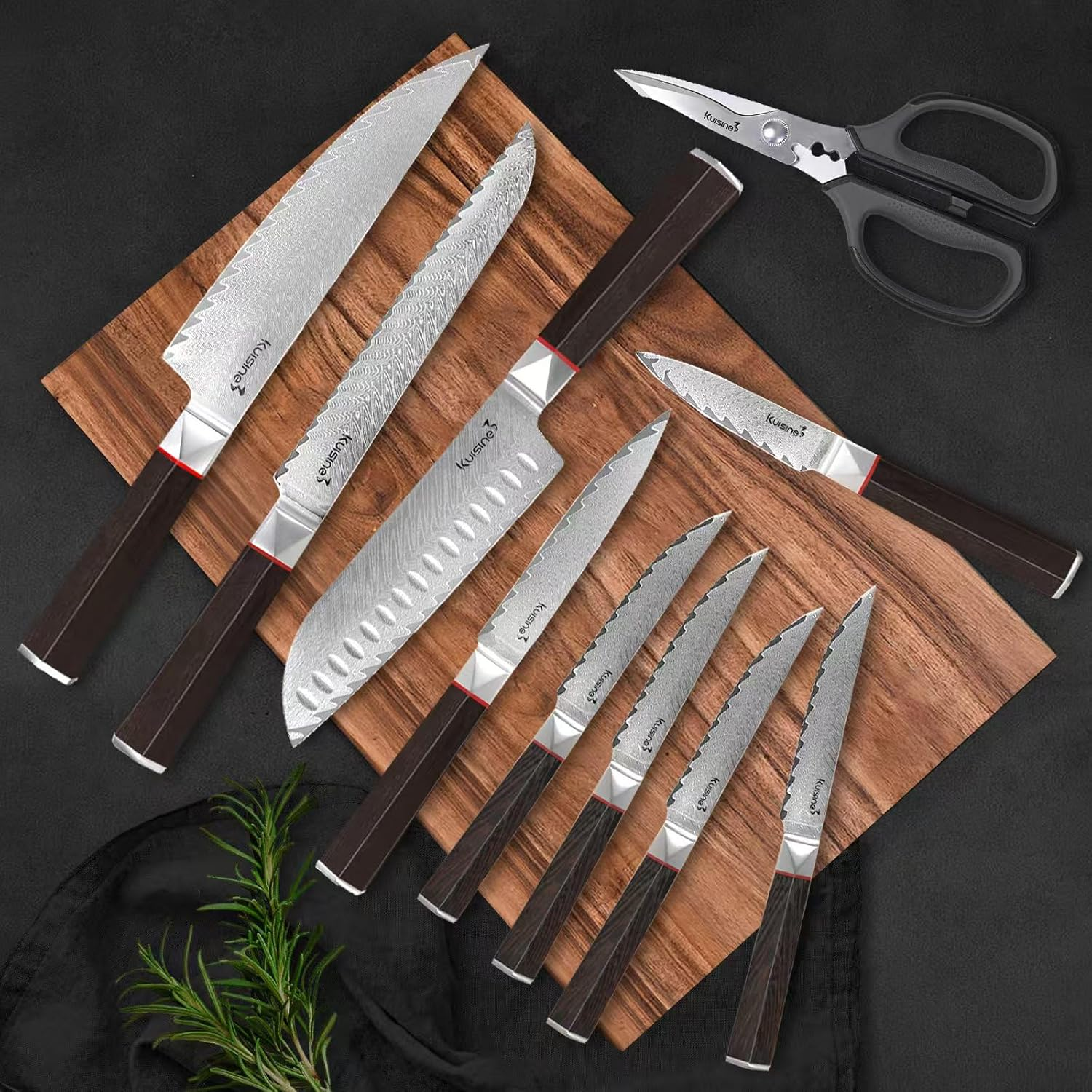
In a recent deployment for a luxury resort group based in Dubai, United Arab Emirates, KUISINE was tasked with supplying the primary cutlery suite for a new high-end restaurant wing. The challenge centered on maintaining performance in a high-volume environment where local kitchen staff required tools that could withstand intense, rapid-pace service. KUISINE provided a customized damascus knife set designed specifically for this high-traffic environment. The solution involved utilizing specific high-carbon steel blades with optimized geometry that reduced drag during repetitive cutting tasks. By implementing a customized maintenance program provided by KUISINE, the resort reduced the frequency of professional sharpening cycles by 22 percent compared to their previous standard-grade equipment. The result was a 15 percent improvement in prep-time efficiency across the kitchen team. This project demonstrated that a well-maintained damascus knife set can directly influence commercial profitability by minimizing downtime and maximizing the speed of culinary output. The case study confirms that with the right equipment and maintenance, professional kitchen cutlery can exceed standard operational expectations, setting a new benchmark for excellence.
Manufacturing Excellence and Global Supply Chain Value Integration
The precision required to master a damascus knife set elevates the standard of any culinary operation. Whether managing an international restaurant chain or equipping a flagship independent kitchen, the choice of tools reflects the broader commitment to quality. Through advanced manufacturing capabilities and robust supply chain integration, KUISINE provides the foundation for such excellence. From material sourcing to the final edge grind, the focus remains on structural integrity and long-term utility. Entrusting kitchen operations to a high-caliber damascus knife set ensures that every cut is an extension of culinary intent, backed by the reliability required in demanding commercial environments. Consistency in maintenance, combined with premium equipment, ensures that these assets perform at their peak for the duration of their lifespan. By understanding how to care for these blades, businesses and individual users alike can enjoy the unmatched performance that only a dedicated damascus knife set can deliver. Ultimately, the partnership between professional techniques and the right tools defines the success of a modern kitchen, with a high-quality set being a key contributor to this outcome. By adhering to these principles, the longevity of every tool is guaranteed. The integration of proper storage, cleaning, and sharpening is the difference between an average culinary tool and a masterpiece. KUISINE ensures that every product meets these high standards for performance and design, facilitating professional results for every user.
Table of Contents
- Comprehensive Guide to Maintaining a Damascus Knife Set for Longevity
- Metallurgy and High-Carbon Steel Construction Fundamentals
- Proper Cleaning and Manual Maintenance Protocols for Safety
- Advanced Sharpening Techniques and Culinary Edge Retention
- Strategic Storage Solutions and Environmental Protection Strategies
- Project Case Study: Premium Culinary Equipment Deployment in Dubai
- Manufacturing Excellence and Global Supply Chain Value Integration