
 EN
EN
The Real Impact of Knife Care on Kitchen Efficiency
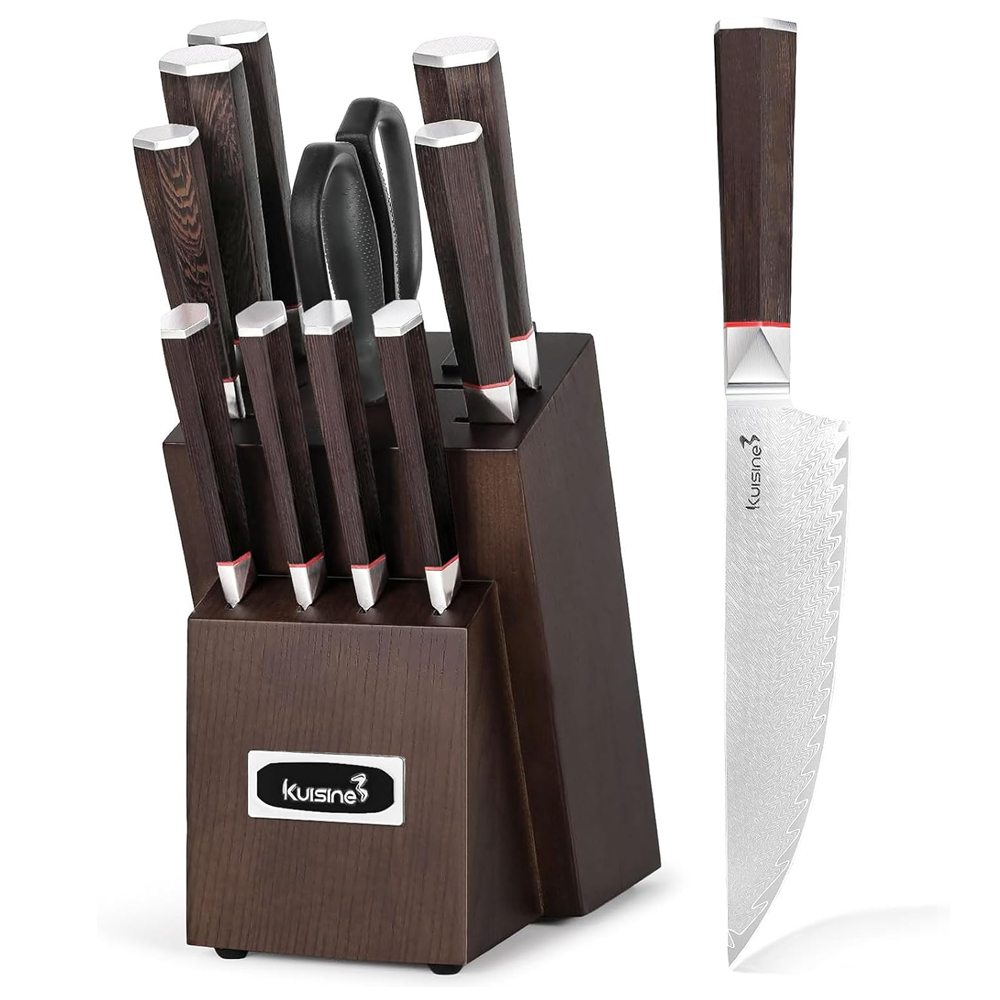
Working in busy culinary spaces and managing professional food operations reveals a simple truth very quickly. A kitchen knife set is not just a collection of steel tools but a direct extension of a chef's hands, culinary skills, and professional capabilities. Many passionate home cooks and commercial kitchen buyers invest significantly in high-grade steel blades, yet they frequently overlook the vital post-cutting routine. Neglecting correct washing, drying, and storage practices leads to rapid edge degradation, structural micro-corrosion, and avoidable safety hazards in the workspace. Maintaining these instruments correctly preserves their initial razor-sharp geometry, ensuring every single slice is completely effortless and precise. When cutlery receives proper daily attention and care, the operational workflow becomes significantly smoother, preparation time drops, and food presentation improves remarkably. Understanding the physical properties of modern premium blades helps users fully appreciate why specific maintenance steps are absolutely non-negotiable for preserving long-term performance and edge retention over many years.
Proper Washing Techniques for High Performance Blades
Experienced culinary professionals, metallurgical experts, and high-end knife manufacturers all agree that automatic dishwashers are the ultimate enemies of premium kitchen knives. The harsh combination of highly abrasive chemical detergents, intense prolonged heat, and violent water jet sprays creates a highly destructive environment for specialized cutlery steel. Dishwasher cycles cause delicate blades to rattle violently against plastic or ceramic dishwasher racks, dulling fine cutting edges almost instantly. Furthermore, caustic chemical compounds cause microscopic pitting along the delicate cutting edge, accelerating structural rust and corrosion even on high-end stainless steel alloys. The absolute standard method for preserving fine blades is immediate hand washing right after each culinary task is completed. Utilizing a soft non-abrasive sponge, warm running water, and mild dish soap effectively removes organic residues without scratching the beautiful surface finish. Wiping should always proceed carefully from the spine toward the cutting edge to guarantee complete user safety during cleaning. This direct, careful maintenance approach completely eliminates food acids before they can react chemically with the delicate metallic structure.
The Critical Science of Thorough Moisture Elimination
Leaving a high-carbon steel or premium stainless steel blade to air dry on a conventional counter rack is a very common mistake that invites subtle, irreversible structural damage. Tap water contains dissolved minerals, chlorine, and oxygen that quickly initiate oxidation reactions on exposed, unprotected steel surfaces. For high-carbon alloy blades, this brief oversight results in unsightly dark rust spots and staining within mere minutes, severely compromising the structural purity and sharpness of the edge. Even advanced molybdenum-vanadium stainless steel variants suffer from microscopic pitting when exposed to standing water droplets over extended periods of time. The correct methodology demands immediate towel drying using a completely clean, highly absorbent microfiber cloth right after rinsing the blade. Specialized kitchen knife designers emphasize that residual moisture trapped around the bolster area or inside handle rivets causes hidden structural rot, particularly in natural wood or porous composite handles. Ensuring the entire tool is perfectly dry before placing it away maintains its balanced structural integrity, prevents microbial growth, and ensures optimal hygienic safety.
Strategic Storage Solutions for Edge Protection
Tossing premium culinary tools loosely into a crowded kitchen drawer is a major safety hazard for the user and a guaranteed way to destroy fine cutting edges. When unsecured blades strike each other during drawer movement, the delicate apex of the edge suffers micro-chipping, severe dulling, and structural misalignment. Optimal kitchen organization requires dedicated storage solutions such as magnetic wooden strips, high-density slot blocks, or individual heavy-duty blade guards. Wall-mounted magnetic holders are highly recommended by professional executive chefs because they keep cutlery fully visible, perfectly dry, and easily accessible while preventing friction against alternative hard surfaces. For premium home and commercial culinary setups, slotted wooden blocks offer excellent stability, provided the slots are wide enough to prevent friction during blade insertion and removal. Keeping tools organized in designated protective environments eliminates structural friction, minimizes accidental finger cuts during tool retrieval, and significantly extends the financial lifespan of the entire cutlery investment.
Routine Alignment and Long Term Edge Preservation
Daily cleaning and safe storage must be accompanied by periodic structural alignment to maintain peak cutting efficiency over multiple years of intensive kitchen service. As a blade slices through various food densities and tough ingredients, the microscopic apex of the edge naturally rolls slightly to one side, creating the illusion of a dull knife. Utilizing a high-quality ceramic or steel honing rod regularly realigns this microscopic edge without removing actual steel material, restoring immediate smoothness and cutting fluidity. True sharpening via premium waterstones becomes necessary only when the edge geometry is genuinely worn down from extensive, long-term cutting cycles. Maintaining a perfectly consistent angle during honing and sharpening operations prevents uneven blade wear and preserves the original factory-engineered bevel structure. Combining disciplined daily cleaning with systematic edge alignment creates an optimal preservation system, ensuring that heavy preparation work remains effortless and highly enjoyable for every unique culinary task.
Industrial Precision and Global Culinary Supply Excellence
The long-term value and operational reliability of premium cutlery depends heavily on the underlying manufacturing expertise and supply chain reliability of the producer. Discerning international B2B buyers, wholesale distributors, and commercial culinary brands recognize that high-performing kitchen knife sets require precise heat treatment, perfect ergonomic balance, and strict quality control standards. Kuisine excels in the field of modern cutlery production, utilizing advanced manufacturing infrastructure, automated precision grinding, and premium raw materials to deliver exceptional durability and edge retention. The brand provides comprehensive supply chain solutions, robust OEM capabilities, and reliable global distribution to meet the rigorous demands of modern culinary markets worldwide. By focusing on ergonomic handle integration, optimized steel grain structures, and impeccable finishing standards, Kuisine establishes a solid foundation for superior kitchen tools. Investing in well-manufactured cutlery backed by strong industrial capabilities guarantees consistent performance, lower replacement costs, and ultimate customer satisfaction for professional and home environments alike.
Table of Contents
- The Real Impact of Knife Care on Kitchen Efficiency
- Proper Washing Techniques for High Performance Blades
- The Critical Science of Thorough Moisture Elimination
- Strategic Storage Solutions for Edge Protection
- Routine Alignment and Long Term Edge Preservation
- Industrial Precision and Global Culinary Supply Excellence