
 EN
EN
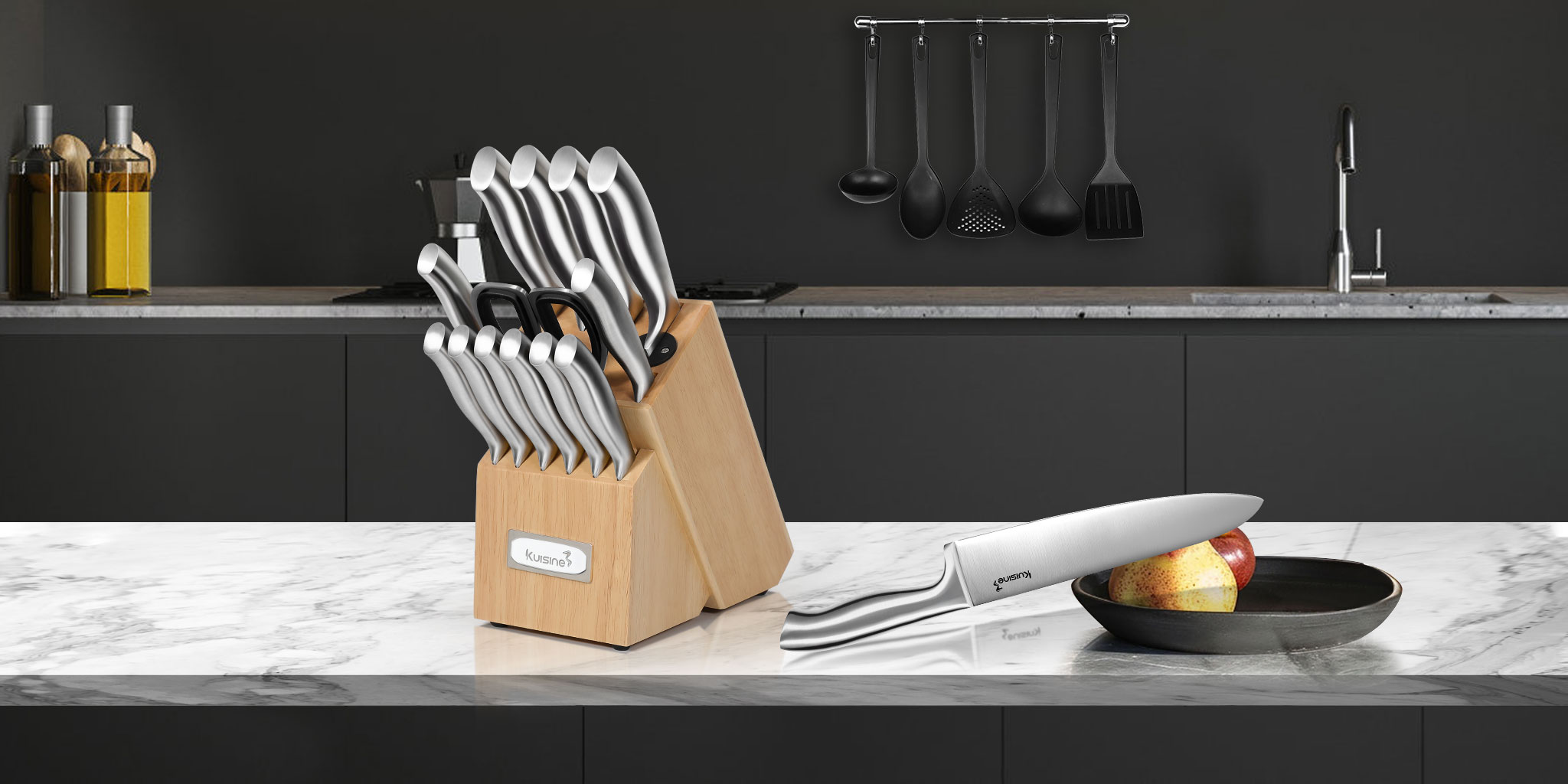
Why a Corrosion Resistant Stainless Steel Knife Transforms Commercial Kitchens
Modern culinary operations demand absolute reliability from every piece of equipment, starting with the primary cutting tool. In high-volume environments, an ordinary blade degrades rapidly when exposed to acidic foods, moisture, and aggressive sanitization cycles. Transitioning to a high-performance stainless steel knife fundamentally changes daily workflow efficiency across every station. Culinary professionals, property developers, and equipment distributors constantly search for hardware that eliminates downtime caused by pitting, rusting, and staining. A properly forged stainless steel knife offers the exact metallurgical balance required to withstand intense commercial pressure while maintaining superior edge retention and structural integrity over years of continuous deployment. When a kitchen is equipped with a high-grade stainless steel knife, prep teams experience fewer interruptions, heightened productivity, and consistent culinary execution. Every chef knows that investing in a reliable stainless steel knife directly reduces long-term operational costs and enhances kitchen safety.
Understanding the Metallurgy of Premium Blades
The foundation of any exceptional cutting instrument lies in its chemical composition and molecular structure. A commercial-grade stainless steel knife typically integrates specific percentages of chromium, molybdenum, and vanadium into high-carbon steel alloys. Chromium content of at least 16% forms a passive, self-healing oxide layer on the surface of the stainless steel knife, preventing moisture and food acids from penetrating the core metal. Furthermore, precise heat treatment achieves a Rockwell Hardness rating between 58 and 60 HRC. This hardness window ensures that the stainless steel knife resists chipping during heavy impacts while remaining flexible enough to absorb lateral stress without structural failure. When procurement managers evaluate a stainless steel knife, they must analyze the vacuum quenching process, which eliminates internal micro-voids and guarantees uniform density across the entire length of the blade. This technical rigor makes a professional stainless steel knife essential for demanding culinary environments where consistency dictates success.
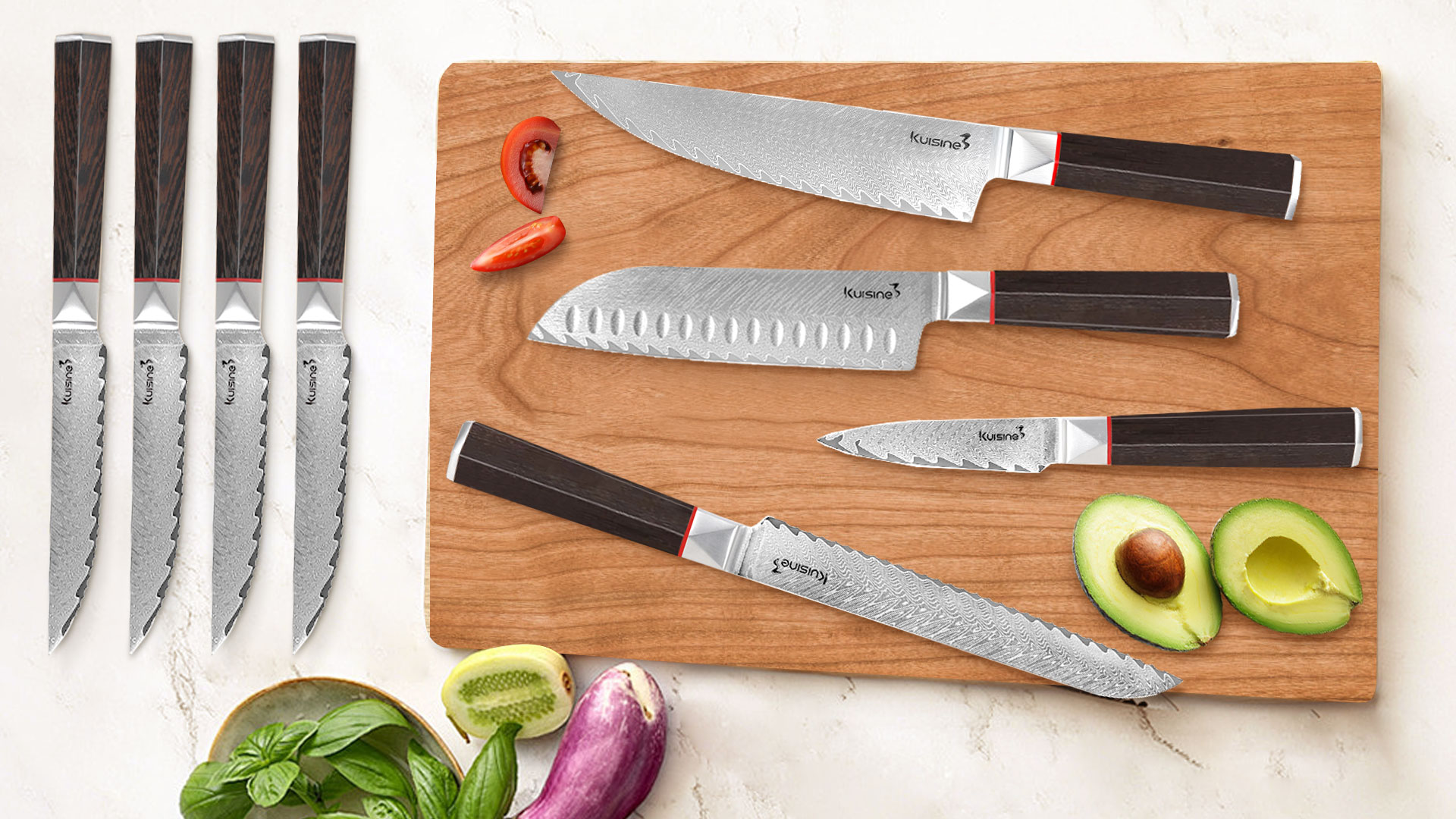
Engineering Precision and Ergonomic Balance
Performance extends far beyond metallurgy; blade geometry dictates how a stainless steel knife interacts with various ingredients. Advanced manufacturing utilizes a precise 15-degree taper grind per side, significantly reducing cutting resistance compared to traditional 20-degree utility blades. This geometry allows the stainless steel knife to glide through dense vegetables and proteins with minimal cellular rupture, keeping food fresh and visually appealing. Additionally, weight distribution within the handle assembly is critical. A full-tang stainless steel knife features balanced mass extending directly into the grip, shifting the center of gravity toward the bolster. This design prevents hand fatigue during extended prep shifts, protecting kitchen staff from repetitive strain injuries. Every curve of the stainless steel knife handle is molded from high-density, slip-resistant polymers that withstand thermal disinfection up to 120 degrees Celsius without degrading. A well-designed stainless steel knife acts as a natural extension of the chef's hand, ensuring maximum control during intricate tasks.
Project Case Study: Equipping a Resort Hotel in Dubai
In a recent hospitality expansion project in Dubai, the facility management team faced severe maintenance challenges due to the hyper-humid coastal environment and aggressive chemical dishwashing protocols used in their banquet kitchens. Standard utility blades oxidized within weeks, leading to frequent replacements and safety hazards. The project director specified the deployment of an integrated KUISINE stainless steel knife inventory across all five main prep stations. By utilizing a high-chromium alloy stainless steel knife engineered for extreme corrosion resistance, the resort eliminated blade oxidation entirely over a 12-month operational period. The KUISINE stainless steel knife successfully processed over 400 kilograms of abrasive root vegetables and marine proteins daily without structural degradation. This implementation reduced annual tool replacement expenditure by 34% and improved overall kitchen prep speed by 18%, proving that a high-grade stainless steel knife is a vital capital investment rather than a consumable supply expense. The reliability of this specific stainless steel knife directly influenced the hotel's ability to maintain high service standards during peak operational hours.
Quantifiable Performance Metrics and Data Verification
Verifying the claims of commercial kitchen equipment requires analyzing hard data rather than relying on generalized marketing claims. A professional stainless steel knife undergoes rigorous salt spray testing, enduring continuous exposure for over 500 hours without developing surface rust or pitting corrosion. Edge retention is measured using standardized cutting tests, where a quality stainless steel knife slices through industrial card stock for more than 150 linear meters before dropping below acceptable sharpness thresholds. The impact resistance of the handle assembly is tested by dropping a loaded stainless steel knife from a height of 2 meters onto concrete flooring, ensuring structural fasteners and composite scales remain intact. These verified metrics provide contractors and institutional buyers with the transparent data needed to justify large-scale equipment procurement. Furthermore, thermal shock testing confirms that the stainless steel knife maintains structural integrity when transitioned rapidly from freezing environments to high-heat sanitation stations.
Commercial Value and Supply Chain Excellence
For international distributors, wholesalers, and commercial contractors, sourcing dependable culinary hardware is directly tied to brand reputation and client satisfaction. KUISINE specializes in advanced manufacturing and global supply chain solutions, ensuring that every batch of stainless steel knife units undergoes strict quality control audits before international transit. By optimizing raw material sourcing and precision CNC grinding technologies, KUISINE bridges the gap between large-scale industrial manufacturing and the exacting demands of global culinary professionals. Incorporating a reliable stainless steel knife into a product portfolio allows distributors to offer end-users unmatched durability and performance. This commitment to consistency and supply chain transparency makes a KUISINE stainless steel knife an essential asset for any commercial kitchen development strategy. Distributors partnering with KUISINE gain access to stable inventory, rigorous quality assurance reports, and custom packaging solutions designed to streamline large-scale commercial distribution.
Long-Term Maintenance and Operational Safety
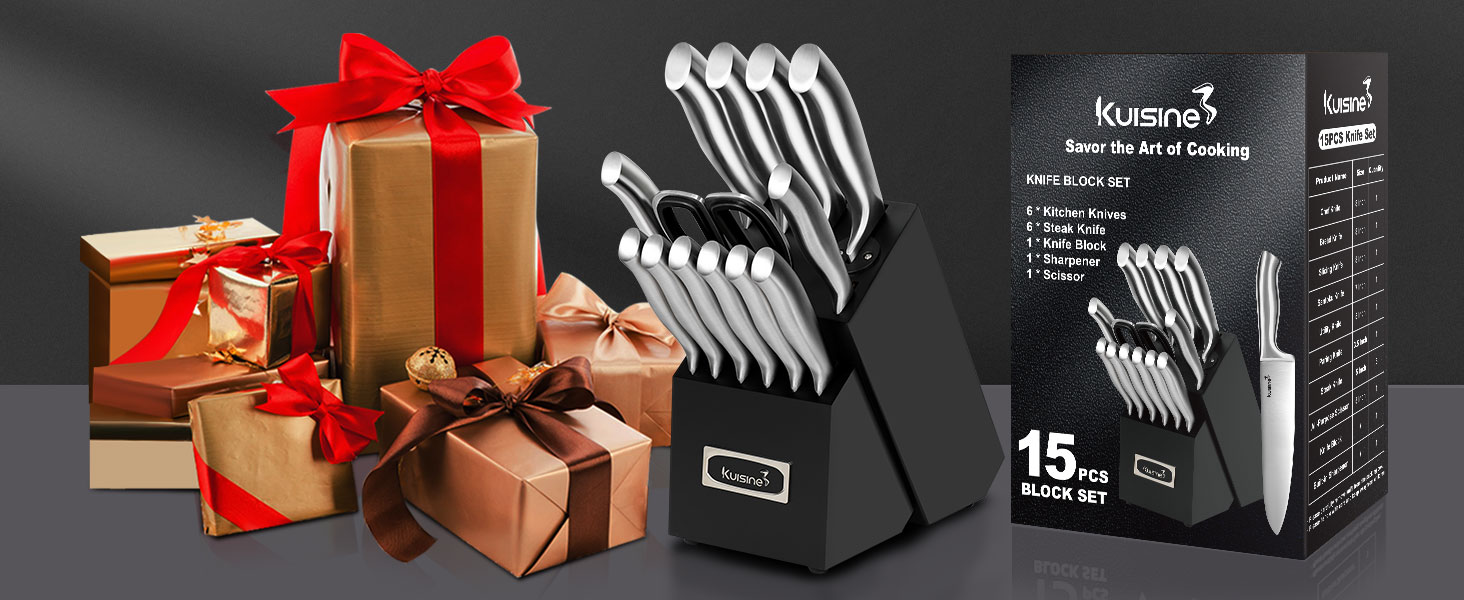
Maximizing the lifespan of a stainless steel knife requires adhering to structured maintenance protocols within the commercial facility. Although a premium stainless steel knife resists oxidation effectively, daily cleaning routines should avoid abrasive scouring pads that micro-scratch the protective chromium oxide film. Regular honing on a ceramic or fine diamond steel realigns the microscopic edge of the stainless steel knife, sustaining cutting efficiency between professional sharpenings. Furthermore, storing the stainless steel knife in a dedicated magnetic strip or custom block prevents accidental edge impacts that compromise structural geometry. By implementing these standardized maintenance guidelines, commercial operations protect their investment and ensure that every stainless steel knife delivers peak performance throughout its operational lifecycle. Training kitchen staff in proper sanitation and storage protocols further enhances the durability of each stainless steel knife in the inventory.
Global Adaptability and Culinary Versatility
Different culinary traditions require specialized blade configurations, yet the underlying need for a reliable stainless steel knife remains universal. Whether a commercial kitchen focuses on high-volume Western banquet preparation or intricate Asian culinary techniques, a versatile stainless steel knife adapts effortlessly to diverse cutting requirements. The integration of specialized profiles, such as santoku or utility shapes, within a comprehensive stainless steel knife lineup ensures that chefs have the exact instrument needed for every task. KUISINE recognizes that the global culinary landscape demands flexibility, offering customizable stainless steel knife sets that align with specific operational menus. This adaptability is the hallmark of advanced manufacturing, allowing developers and contractors to source a unified stainless steel knife collection that satisfies the diverse needs of international culinary teams. Investing in a multi-functional stainless steel knife system elevates the overall standard of kitchen operations across diverse cultural and geographic markets.
Table of Contents
- Why a Corrosion Resistant Stainless Steel Knife Transforms Commercial Kitchens
- Understanding the Metallurgy of Premium Blades
- Engineering Precision and Ergonomic Balance
- Project Case Study: Equipping a Resort Hotel in Dubai
- Quantifiable Performance Metrics and Data Verification
- Commercial Value and Supply Chain Excellence
- Long-Term Maintenance and Operational Safety
- Global Adaptability and Culinary Versatility