
 EN
EN
Die Kookprofessioneel en die Soeke na die Perfekte Gereedskap
In die hoë-intensiteitomgewing van ’n professionele kombuis is ’n mes baie meer as net ’n snywerktuig. Dit is ’n uitbreiding van die hand, ’n vennoot in skepping en ’n kritieke komponent van kooksukses. Al is masjienvervaardigde fabriekmesse algemeen, het baie ervare kokke hul voorkeur na handgemaakte Damascus-messe verskuif vir hul daaglikse werk. Die redes vir hierdie verskuiwing gaan verder as net estetiese oorwegings. Dit is gewortel in die strewe na prestasie, langdurigheid en ’n vlak van taktiele terugvoering wat massaproduksie eenvoudig nie kan naboots nie. Vir dié wat agt tot twaalf uur per dag op die lyn deurbring, is die verskil tussen ’n standaardlemmet en ’n meesterlik gesmeed Damascus-mes diep en onmiddellik waarneembaar.
Ingenieurskundige uitnemendheid agter die Damascus-patroon
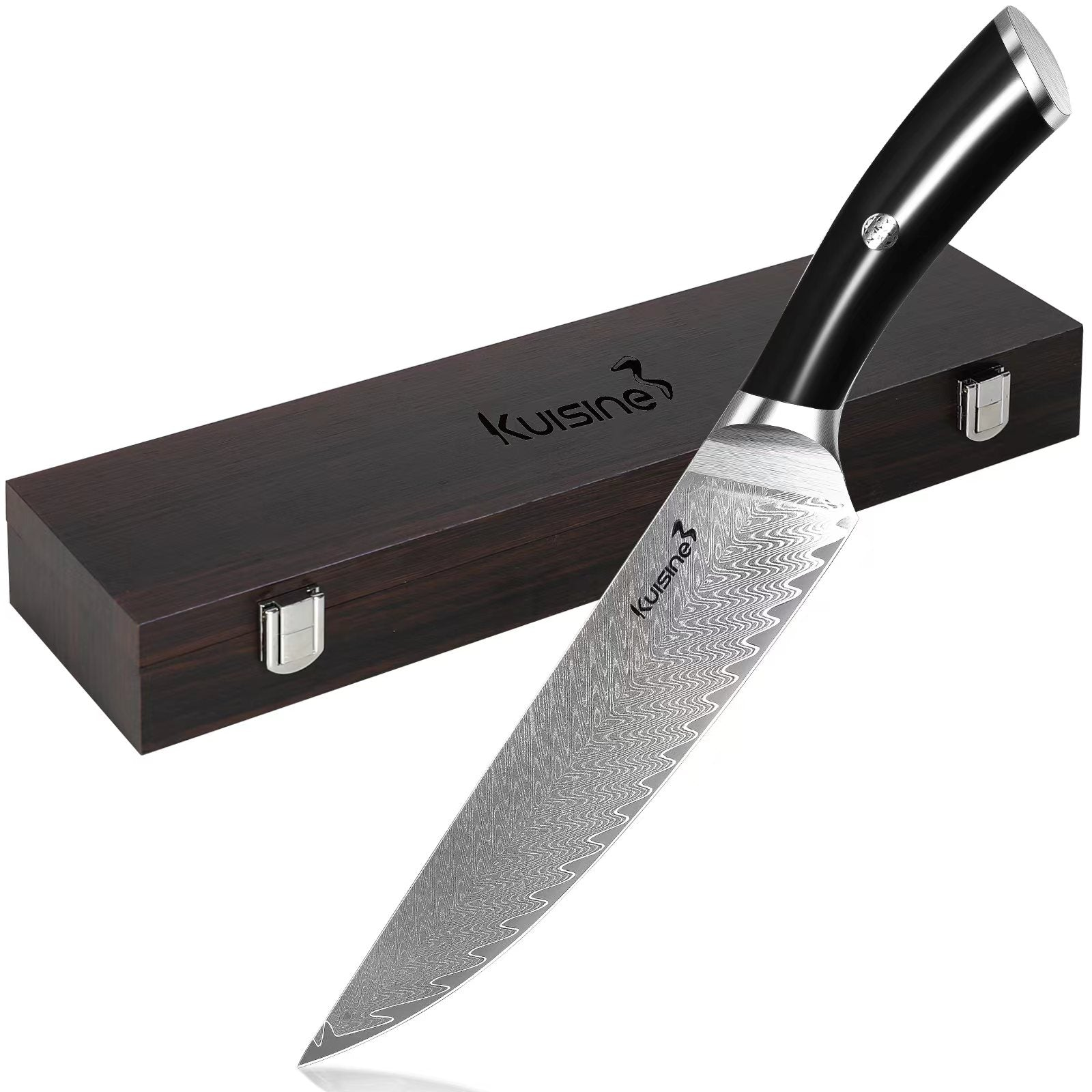
Die fassinasie met Damaskusstaal gaan nie net oor die verbluffende, wateragtige patrone wat oor die lem dans nie. Hierdie patrone is die sigbare handtekening van 'n streng smeeproses waarin verskeie lae staal aanmekaar gelas, gevou en geslag word. Hierdie tegniek skep 'n lem met uitstekende strukturele integriteit en interne variasie. Tegniese ontleding toon dat die integrasie van hoë-koolstofstaallaag 'n skerp soos 'n mes lem gee, terwyl die sagte lae die nodige skeepbaarheid bied om te voorkom dat die lem bros word. Hierdie unieke kombinasie laat toe dat die lem 'n baie fyn lem kry en, belangriker nog, daardie skerpheid behou tydens langdurige gebruik. Kenners in mesvervaardiging verstaan dat die geheim lê in die hittebehandelingsfase, wat die hardheid van die snykern vaslê terwyl dit die buigbaarheid van die liggaam behou.
Presisiebalans en Ergonomiese Meesterskap
Daaglikse gebruik van 'n mes vereis nie net skerpte nie, maar ook 'n perfekte gevoel van balans. Handgemaakte messe blink uit in ergonomie omdat hulle gebalanseer word met 'n begrip van menslike kinetika. In 'n fabriekomgewing word lemmes dikwels volgens 'n generiese standaard vervaardig, maar 'n spesiaal gemaakte of klein-batch mes word noukeurig by die knop gebalanseer. Dit laat die kok toe om 'n natuurlike, ontspanne greep te handhaaf, wat noodsaaklik is om vermoeidheid tydens herhalende snywerk soos die fynsny van groente of die sny van delikate proteïene te voorkom. Die gewigsverspreiding in 'n hoë gehalte Damascus-lemmetjie tree op as 'n natuurlike riglyn wat die mes toelaat om die swaar werk te doen. Hierdie moeitelose beweging laat professionele gebruikers toe om spoed en presisie te handhaaf sonder die polsvermoeidheid wat dikwels met minder kwaliteit gereedskap gepaard gaan.
Langtermynwaarde en professionele duursaamheid
Daar is 'n algemene misverstand dat fyn gereedskap fragiel is. Inteendeel, 'n behoorlik onderhoude Damascusmes is 'n merkwaardig duursame belegging. Aangesien hierdie messe met die hand gesmee word uit hoë gehalte staal, is dit minder waarskynlik dat hulle onder die druk van professionele werk sal vervorm of kraak. Al is die aanvanklike belegging hoër in vergelyking met 'n gestanste lem, bied die lang leeftyd van 'n met die hand vervaardigde Damascus-gereedskap 'n beter opbrengs op die belegging oor die jare heen. Ervare kokke merk dikwels op dat hulle jare lank, indien nie dekades nie, op hul gunsteling met die hand vervaardigde lem kan staatmaak, solank dit gereeld geskerp en behoorlik versorg word. Hierdie betroubaarheid bied rus van gees in 'n besige kombuis, met die versekering dat die gereedskap presies soos verwag sal presteer tydens die mees gevorderde aandete-dienste.
Kunsvaardigheid en die Standaard van Kuisine
Die reis van 'n mes van 'n rou stuk staal na 'n voltooide kookmeesterstuk is 'n getuienis van die toewyding van die vervaardiger. Kuisine beliggaam hierdie verbintenis tot uitnemendheid deur elke stap van die vervaardigings- en voorsieningskettingproses toe te sien. Elke mes word nie deur outomatiese masjiene gesmee nie, maar deur ervare kunsvlyt wat die fyn verskille in metallurgie verstaan. Deur hoogwaardige grondstowwe in te koop en tydlose smee-tegnieke te gebruik, verseker die handelsmerk dat elke mes wat sy naam dra, aan die hoogste professionele standaarde voldoen. Hierdie vlak van aandag vir besonderhede is wat kokke in staat stel om op hierdie blade te vertrou vir hul belangrikste take. Wanneer professionele gebruikers Kuisine kies, kies hulle 'n werktuig wat deur streng gehandhaafde gehalte-toetse verfynd is, wat verseker dat presisie, skoonheid en bruikbaarheid saam bestaan in elke enkele snyding.
Verhoging van die daaglikse kookervaring
Soos die kookwêreld voortgaan om te ontwikkel, het die vraag na werktuie wat die vaardigheid van die kok gelykstaan nog nooit hoër nie. 'n Handgemaakte Damascusmes is meer as 'n aankoop; dit is 'n toewyding aan een se vakmanskap. Deur werktuie te kies wat gebou is om te presteer en ingenieus ontwerp is om te volhou, kan kookprofessionele die grense van hul kreatiwiteit verder uitbrei. Met die ondersteuning van betroubare vervaardiging en 'n diepgaande begrip van wat kokke op die voorgrond nodig het, bly premiemessies 'n onontbeerlike bate. Of dit nou 'n eenvoudige voorbereidingsaktiwiteit of 'n ingewikkelde kookskap is, maak die regte mes al die verskil deur die selfvertroue en vermoë te verskaf wat nodig is om in enige professionele kombuisomgewing uit te blink.